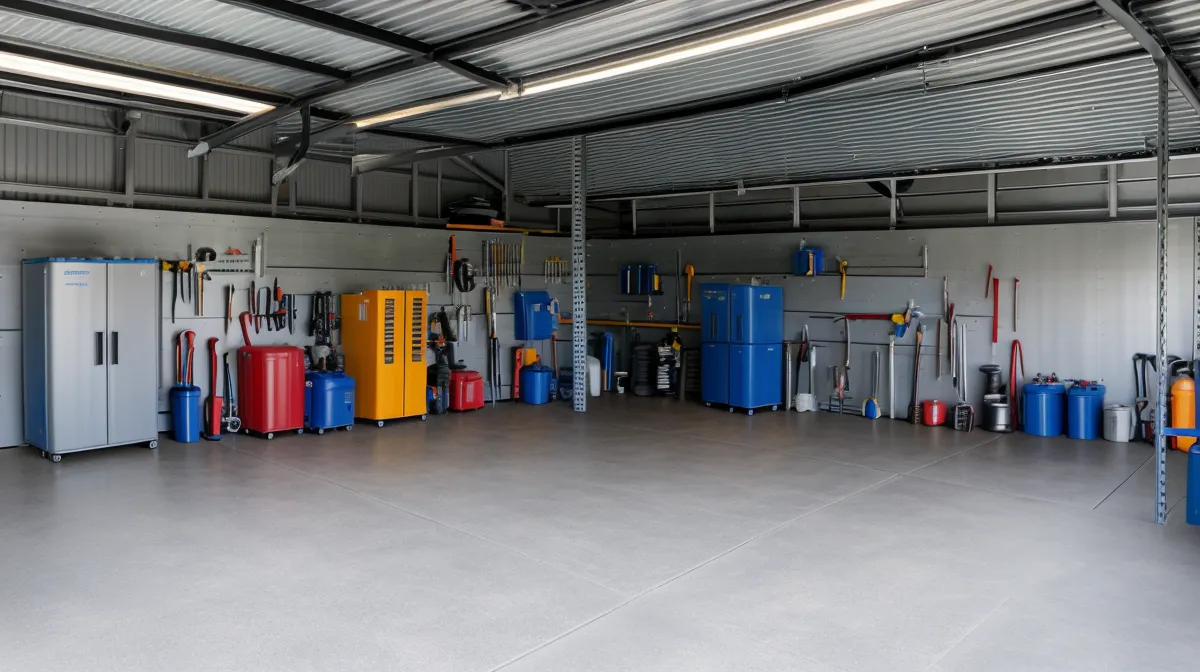
One humid evening last November, I found a forgotten case of water behind a stack of paint cans in my garage. It had been sitting there since Hurricane Beryl knocked our taps dry in 2024, and the plastic felt slightly tacky to the touch. Looking at the 'best by' date—which had passed months prior—I realized I had no idea if this was still a life-saving resource or just a bottle of chemicals. For a guy who spends his days troubleshooting server racks, this was a massive oversight in my home’s failover plan.
Before we get into the nuts and bolts of storage, a quick heads-up: I’ve spent the last year testing these systems so you don’t have to. If you buy something through the links here, I earn a commission at no extra cost to you. I only recommend gear I’ve actually lugged around my own garage. Also, I’m an IT support guy, not a doctor or a water quality scientist. This is based on my personal testing and research—always check with your local municipal water board for official safety guidelines.
The Humid November Discovery: Does Water Really Die?
The short answer is no; water itself doesn't expire. If you found a sealed glass vial of water from a thousand years ago, the H2O would technically be fine. However, we don't store water in glass vials; we store it in Polyethylene Terephthalate (PET) plastic. This is the stuff marked with the PET plastic resin code 1 on the bottom of the bottle.
The FDA regulation on this is actually pretty clear: bottled water is considered to have an indefinite shelf life as long as it is produced under current good manufacturing practices and remains in a sealed, undamaged container. So why the date? It’s mostly about the manufacturer’s promise of taste. Over time, that thin plastic allows a tiny bit of gas exchange. Your water doesn't 'go bad' like milk, but it can start to taste like whatever it’s sitting next to—in my case, that stack of old latex paint.
The Garage Temperature Stress Test: Why Your Trunk is a Problem
During the first intense heatwave of June, I decided to do some 'field testing.' I left a standard 24-count case of water in the trunk of my car and another on the top shelf of my Houston garage. If you’ve ever lived through a Texas summer, you know that a garage isn't just a room; it’s an oven with poor ventilation. This is where the standard advice for water storage starts to fall apart, especially for van dwellers and full-time travelers.
Most 'expert' advice assumes you have a climate-controlled basement. But for someone living in a van or keeping an emergency kit in a vehicle, the temperature fluctuations are extreme. High heat accelerates the degradation of the plastic. This can lead to the leaching of antimony, a metalloid used in plastic production, into your drinking water. While the levels are usually low, my troubleshooting brain treats this like a thermal throttle on a CPU—it’s not going to crash the system immediately, but it’s definitely shortening the lifespan of the hardware.
I noticed that by late last month, the bottles in the car had developed a distinct 'plastic-y' tang. It wasn't just the taste; the bottles themselves felt flimsier. This is why I started looking for more robust solutions. If you're serious about long-term storage, you need to move beyond the grocery store shrink-wrap. I’ve written more about this in my guide on My IT-Style Inventory System for a Garage Full of Emergency Water.
Why the Standard 24-Pack is the 'Spaghetti Code' of Water Storage
In IT, we talk about 'spaghetti code'—it’s messy, fragile, and a nightmare to maintain. That’s exactly what a stack of retail water cases is. They are designed for a quick trip from the pallet to your fridge, not for sitting in a garage for three years. During a garage reorganization in mid-February, I found that the bottom case in a stack of four had actually begun to leak. The weight of the water above had slowly crushed the thin PET bottles at the bottom.
FEMA daily water minimum requirements state you need at least 1 gallon per person per day. For a family of four, that’s 28 gallons a week. If you’re trying to hit that number with standard 16.9oz bottles, you’re looking at over 200 individual points of failure. One leak can lead to mold in your storage area, which is the last thing you want during a power outage.
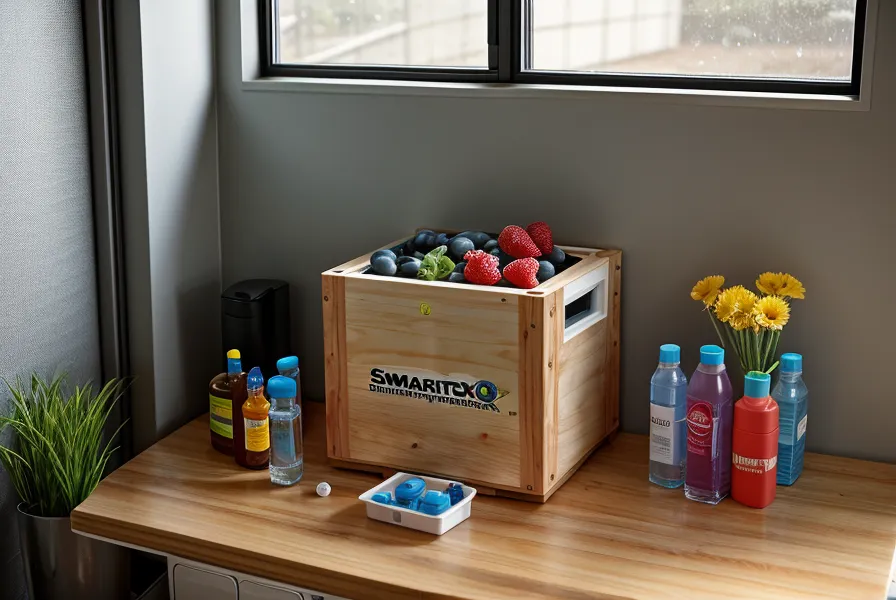
This realization led me to test the SmartWaterBox. It’s a much more robust system that treats water storage like a server rack—organized, protected, and built for a specific purpose. Unlike the flimsy retail cases, it doesn't absorb the smell of my lawnmower’s gas can, and it’s much easier to rotate. You can check the current pricing on the vendor's page, as it tends to fluctuate based on demand.
Smarter Alternatives: Moving Beyond Single-Use
If you're not ready to invest in a full stack of tanks, you can still improve your setup. I’ve found that even moving your water from the floor to a raised pallet or a plastic shelving unit helps. It keeps the plastic away from the concrete, which can actually leach chemicals and moisture into the bottles over time. Think of it like keeping your PC off the carpet—it’s just basic maintenance.
For those who prefer a DIY approach or want to understand the mechanics of water purification better, the Water Freedom System is an interesting resource. It’s more of a digital guide bundle than a physical tank, but it gives you a solid 'roadmap' for independence if the grocery store shelves are empty. It’s backed by a 60-day 100% money-back guarantee, which is great for those of us who like to test things risk-free. Again, check the vendor's site for the latest price.
I also recommend checking out my experience with Testing the SmartWaterBox After a Year of Trial and Error. It really highlights the difference between 'panic-buying' and 'preparedness.'
Final Reflection: Rotation and Peace of Mind
The biggest lesson I learned between that rainy November and now is that 'set it and forget it' doesn't work for water. Just like I have to patch the servers at work, I have to 'patch' my water supply. I now use a simple rotation system: every six months, I take the oldest case out of the garage and use it for the kids' soccer games or weekend road trips, replacing it with a fresh one. This keeps the plastic from getting too brittle and ensures the taste remains acceptable.
If you’re just starting, don’t let the 'perfect' setup stop you from doing the 'good enough' setup. Buy a few cases, but store them inside your house—maybe in the bottom of a closet or under a bed—where the temperature stays stable. If you have to use the garage, keep them away from chemicals and off the bare floor. For a more organized approach, you might find my tips on How I Finally Organized My Garage Without Losing My Mind helpful.
Losing water for four days in 2024 was a wake-up call. I realized that as the 'IT guy' for my family, I had plenty of digital backups but zero physical ones. Whether you choose to stick with bottled water or upgrade to a more permanent solution like the SmartWaterBox, the most important step is just to have a plan. Don't wait for the next hurricane to find out if your water has expired.