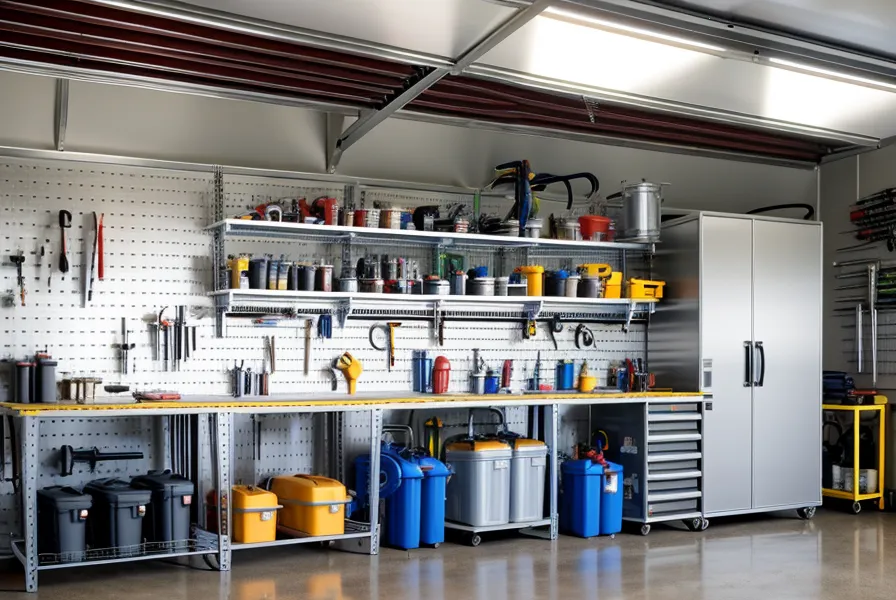
A fifty-five gallon drum and a countertop filter pitcher solve two completely different problems. One is bulk emergency water storage built to carry a household through days without a working tap, the other barely gets you through a long afternoon. I used to treat gear in my garage like it was all interchangeable, and that mix-up is a big part of why our hurricane preparedness setup barely held up when our part of Houston lost water for four days after Hurricane Beryl.
Quick disclosure up front: some of the links below are affiliate links, and I earn a small commission if you buy through them, at no extra cost to you. Everything here comes from gear I have actually run in my own garage, mistakes included. I am not a water engineer or a licensed anything — I work in IT support, and I troubleshoot my home water setup roughly the same way I troubleshoot a flaky router.
Capacity Math Before You Buy Anything
Every water storage decision starts with the same basic math. Emergency planners generally put the minimum at one gallon per person per day, so a family of four covering three days needs twelve gallons just for drinking and basic hygiene, before you even think about flushing a toilet. That number is the floor, not the whole plan — cooking, pets, and a spell of bad luck push it higher fast, and the gap between "technically enough" and "actually livable" is where a lot of households get caught out.
When I integrated the SmartWaterBox into my garage as the main hub for household water, the first question was not about filtration specs. It was whether the stated capacity actually matched what my family needs for a week, not three days, since Beryl taught me three days is the optimistic version of events.
Testing Flow Rate and Water Filtration Systems
Filtration and purification get used like synonyms online, and they are not the same job. Filtration physically strains out particles and some pathogens down to a certain micron rating. Purification is a chemical or UV step aimed at killing or neutralizing whatever slips through the strainer. Knowing which one a product actually does matters more than any marketing copy on the box.
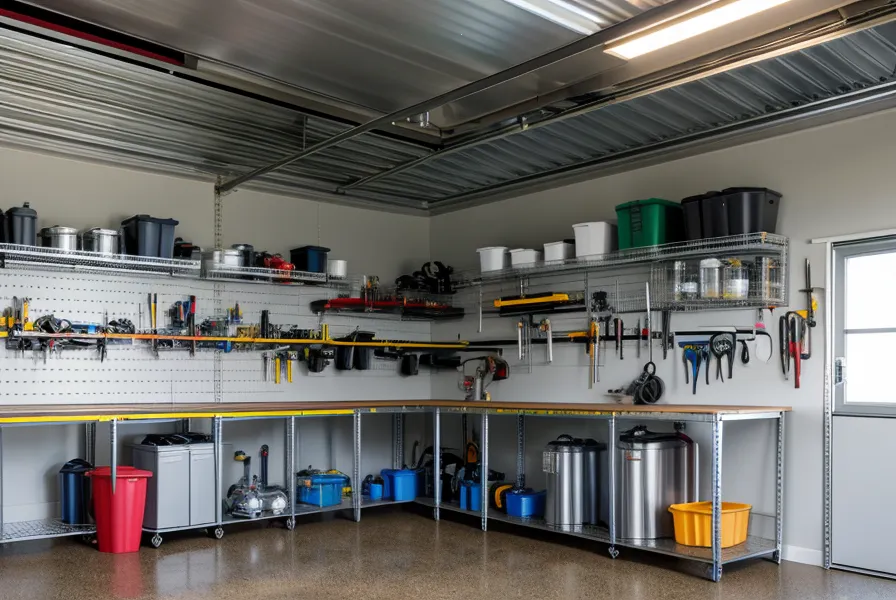
Flow rate was the first thing I clocked with a stopwatch and a bucket, because a filtration setup that looks great on a spec sheet but trickles out half a gallon a minute will not keep up with a household during a morning rush. A neighbor two blocks over, Preethi Ramachandran, borrowed two different filter setups from my garage and ran her own side-by-side comparison before deciding what her family actually needed, which is a smarter approach than trusting any single person's numbers, mine included. Craig Delacroix, a contact from a Houston-area preparedness group, always seems to have a spare rig on hand to lend for exactly this kind of test, and running his gravity filter next to the SmartWaterBox made the flow-rate gap obvious in a way the spec sheet never did. For the narrower question of heavy-metal and chemical contaminant removal specifically, that is more David's Shield's lane than a general storage-and-filtration box like this one.
Building vs. Buying: Where the Water Freedom System Fits
Bulk storage and portable capability are not competing options — they are different layers of the same plan, the same way a desktop and a laptop both have a place even though neither replaces the other. A dedicated box like the SmartWaterBox is built for the stay-at-home layer, not for grabbing on your way out the door, which is why I still keep a compact Dark Reset kit in the car for situations away from home.
For anyone who would rather assemble a system from parts instead of buying a sealed unit, the Water Freedom System is a DIY blueprint worth a look. It walks through building your own setup rather than shipping you a finished box. I personally prefer the plug-and-play nature of a dedicated unit for the primary layer, but the logic behind both approaches is the same: know what each piece in your plan is actually responsible for.
How Much Weight and Footprint Can Your Garage Actually Handle?
Water weighs 8.34 pounds per gallon, which sounds abstract until you try to reposition a full drum by hand. Nudge a fifty-five gallon barrel and it does not just sit there; it leans back at you in a slow sideways roll before it settles, like it is deciding whether to tip, and that is with the drum only half full. A full one, at somewhere north of 450 pounds, is not a one-person job. I learned that trying to shift mine across the garage with nothing but a standard dolly; the wheels gave out under the load before I had moved it three feet.
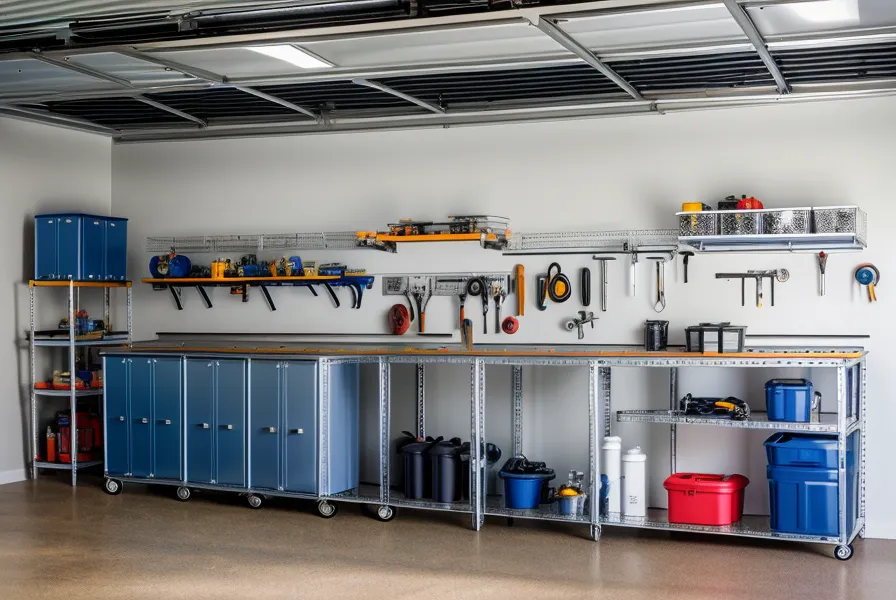
Footprint matters as much as total gallons once you start placing containers. Someone I know who lives in a high-rise downtown cannot set a 275-gallon IBC tote on a balcony without risking the structure, so his version of this plan leans toward smaller, distributed containers instead of one big footprint. Houston summers add another variable worth checking for: months of heat against a footer-a116d1 is its own kind of stress test, and that is worth a visual check now and then rather than an assumption that sealed means fine forever.
Sanitizing, Rotating, and Keeping Chemical Backups Honest
Before any footer-a116d1 holds drinking water, it needs to be sanitized, not just rinsed. Dust, old residue, and whatever was in there before all count as contamination risk, and that step is easy to skip when you are excited to fill a new tank. I learned the wrong way to do this early on. I followed a YouTube tutorial that had me bleach a footer-a116d1 with more than the job called for, and the water sat tasting like a swimming pool for a week afterward no matter how many times I rinsed it. The lesson was not "avoid bleach," since diluted, unscented bleach is still a standard method; it was measure the amount, do not eyeball it, and give it time to off-gas before you trust it with drinking water.
Stored water does not last forever just because it is sealed, either. If it is not professionally treated, rotating it roughly every six months is the standard guidance, and I follow that loosely with reminders rather than a rigid spreadsheet — the details of how I actually manage that are in The Garage Rotation: My System for Keeping Stored Water Fresh Without the Spreadsheet Chaos. One trip stands out: I came back after a week away this past July, bracing for a mess, and found the containers looking exactly as I had left them, no discoloration and no buildup creeping in anywhere I would expect it first. Chemical backups like bleach drops have their own shelf life too, and a bottle that has been sitting in a drawer since the day you bought it is not something to trust blindly when the moment to use it actually arrives.
Most people are also already sitting on a hidden reserve they forget about: a standard residential water heater holds forty to fifty gallons. That detail, and more on rotating larger containers, is covered in The Suburban Siphon: What I Learned Rotating My First 55-Gallon Water Barrel.
Where This Fits in a Layered Water Plan
Redundancy means the same thing in IT and in water planning — one piece failing should not take down the whole household. A bulk hub, a portable filter, and a chemical backup are not rivals competing for the same job; they cover different failure points in the same plan. Flooding adds a wrinkle that storage math alone does not cover, since a sealed tank can still end up compromised if floodwater reaches the fill point or the vents, so placement matters as much as capacity when you are deciding where containers actually sit.
After any storm, I do not trust tap water again just because an advisory lifted. A quick check of clarity, smell, and a basic water test before using it for drinking is worth the couple of minutes it takes. None of this is a one-and-done test, either — the kind of useful data comes from logging results over a long stretch, not a single afternoon, which is the whole reason I keep a running, longer-term field log on this exact unit rather than judging it off one good week. And for the short window before an actual emergency hits, something as low-tech as capturing water in a tub is a legitimate stopgap, just not a substitute for a planned system.
What the Garage Testing Actually Showed
If I am narrowing all of this down to one rule, it is this: pick the bulk box when your main risk is a multi-day outage at home, and pick portable filtration first when your real risk is being caught away from a fixed location. For a typical suburban household riding out a hurricane at home, the SmartWaterBox's combination of real capacity and a manageable footprint solves the bulk-storage layer better than loose jugs or a drum collection ever did for us, which is why I still point people toward the SmartWaterBox when they ask where to start. It will not do everything on its own — nothing on this list does — but as the anchor piece of a home resilience plan for a Houston-area garage, it has earned its spot on the floor.