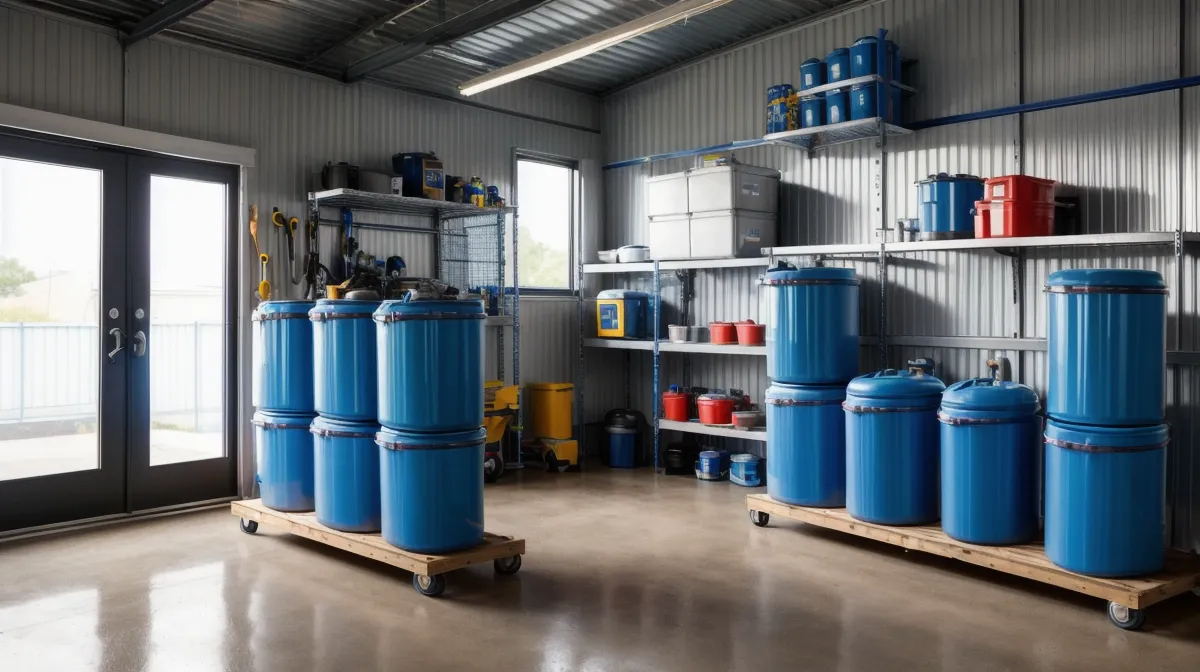
Bare feet on concrete still cool from the night before, I'm holding a gallon jug up to the light and watching a thin green film slide down the inside wall like it's got somewhere to be. This isn't hypothetical for anyone who keeps water long-term in a Houston-area garage. A real water rotation habit is the only thing standing between "emergency storage" and a jug of something you wouldn't hose off your driveway with, let alone hand to your kids. Ask ten people how often they actually rotate what's sitting in their garage organization setup, and most will name a date that's a year and a half old.
That's the real question this whole system answers. Not which footer-a116d1 to buy, but what turns water from fine to unsafe in a hot garage, and how you build a habit that catches it before your family does. Rotation isn't a spreadsheet with color-coded columns. It's a short list of triggers tied to things you already do every year, so you're not relying on memory alone.
How Much Water Do You Actually Need to Store?
Most guidance leans on a flat gallon-per-person-per-day multiplier, which is a fine starting point but tells you nothing about whether that water will still be worth drinking by the time you need it. For a family of four, that number adds up to real footer-a116d1 space fast, and it's tempting to round up out of anxiety instead of actual math. I keep my own number closer to what I can realistically rotate through in a season than what a worst-case chart says I should own, because a garage full of water nobody ever touches is just slow-motion waste.
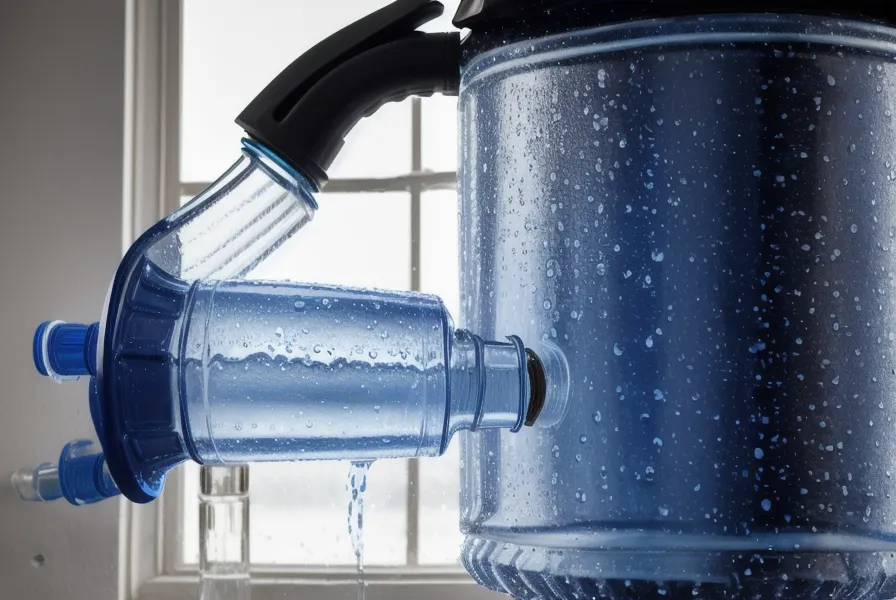
Weight is the part nobody warns you about until they're the one straining to shift a full drum two feet to clear space for something else. A 5-gallon footer-a116d1 is heavy enough to matter and light enough that I can still carry it to the kitchen if the taps stop working. That's the whole point. Storage you can't move isn't storage, it's furniture that happens to be full of water. Most containers sold for this are High-density polyethylene (HDPE) plastic, marked with the number 2 recycling symbol, and that material choice matters more once you factor in how a Texas summer treats it.
Rotation Isn't a Date on a Calendar
Water-rotation schedules built around recurring calendar alerts sound great until you're dismissing the same reminder every week because the actual task takes longer than the notification implies. Mine is tied to three fixed points in the year instead: a full check when hurricane season opens, a mid-summer heat check, and a January reset when I'm already going through the rest of the garage anyway. None of those dates move, so I don't have to remember them so much as just show up for things I was already doing.
The habit itself works like checking that a backup job actually restores instead of trusting the green checkmark that says it ran. Oldest containers get used first: watering the yard, washing the car, anything that isn't drinking. The newest water goes in at the back of the same shelf. You can find the fuller version of how I built that shelf system in my Garage Water Rotation Routine writeup, but the short version is that the system only works if the oldest water is physically easier to reach than the newest.
The Container Habit Most People Skip
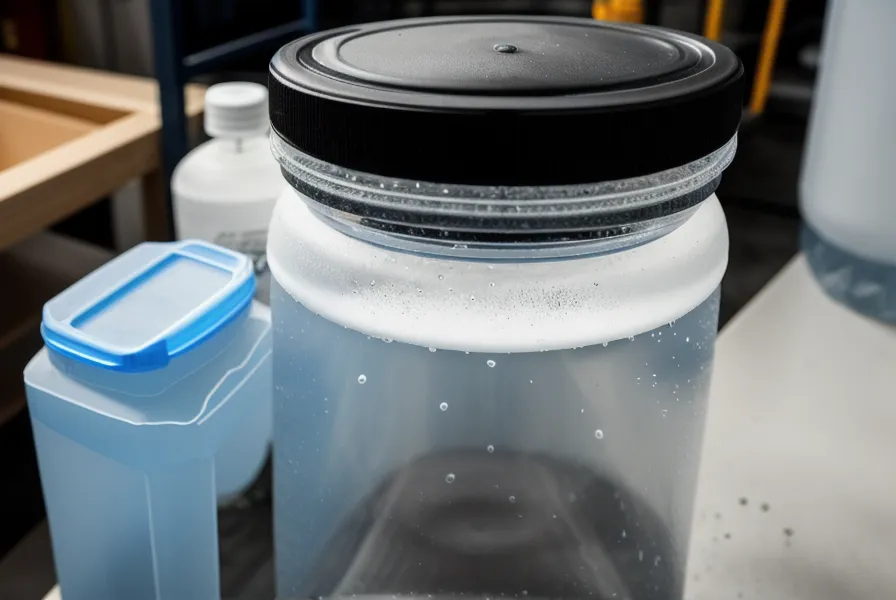
Before a footer-a116d1 goes back into rotation, it gets a rinse and a visual check, not a full container-sanitation protocol with a bleach soak and an hour of air-drying. That's overkill for something you're about to refill and treat again anyway. What I actually look for is film on the inside wall, a warped seam, or a smell that wasn't there before, since those three things tell you a jug has failed before the water inside it has. A footer-a116d1 that passes goes back into the line. One that doesn't gets tossed instead of trusted.
Bleach, Test Strips, and Trusting What's in the Jug
Bleach is still the cheapest, most reliable disinfectant option, and the ratio is easy enough to keep in your head, but the bottle itself doesn't last forever. Sodium hypochlorite, the active ingredient in ordinary bleach, loses potency over time. I don't treat a three-year-old bottle from the back of the laundry room the same as one I bought this spring. Chemical-treatment shelf life is its own quiet failure point people forget to check. Stored water doesn't have one hard expiration date either. It's more of a curve than a cliff, and stored-water shelf life is really just how fast you stay ahead of that curve instead of finding out you fell behind it.
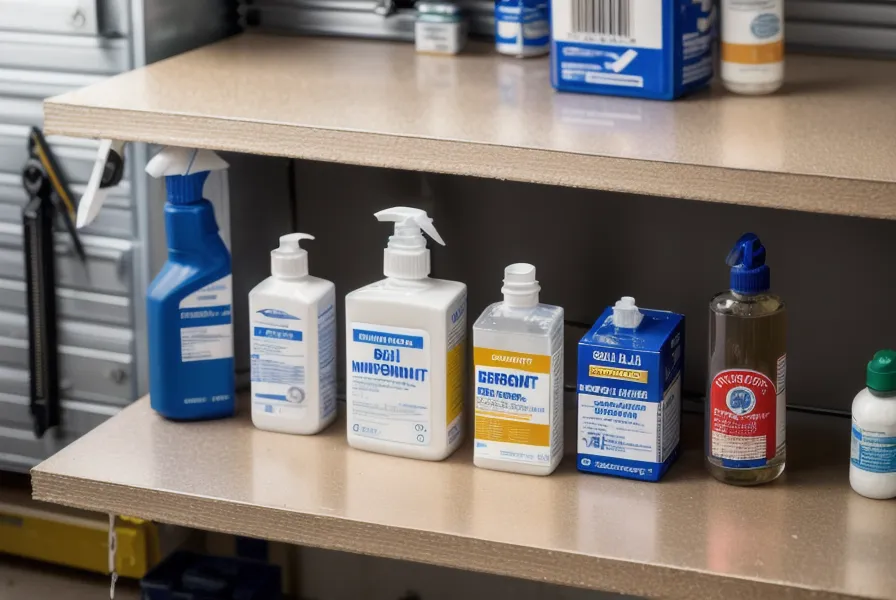
Years back I dug an old box of iodine tablets out of a camping kit and dropped a couple into a gallon just to see what would happen. The water turned the color of weak tea, and no amount of me insisting "it's fine, it's just iodine" got my kids to take more than one sip. Test strips solved the trust problem instead. Dipping one into a jug that had been sitting since the last rotation and watching the pad settle into the same safe color as a jug filled that same morning told me more in ten seconds than any smell test ever had.
Filter or Purify — Which One Comes First?
People use "filtered" and "purified" like they're interchangeable, and that mix-up is exactly where purification-versus-filtration confusion causes real problems. A filter pulling sediment out of water isn't doing the same job as a chemical or heat step killing what's actually alive in it. Not every filter removes the same spectrum of contaminants either, so a pitcher rated for chlorine taste isn't rated for the same threats as something built for questionable tap water after an outage. The portable-versus-bulk question comes up in almost every conversation I have about this, and both belong in a real plan. Portable gets you through a car trip or a short gap, bulk gets your household through days, and neither replaces the other.
Go Vertical Before You Go Wide
Heat stress on a footer-a116d1 is a slower kind of durability test than most people expect. A jug that looks fine sitting out in April can be a different story by the time August is done with it, and by then the damage is inside the plastic where you can't see it from across the garage. That's part of why I stopped stacking wide and started building up instead. Going vertical changes your storage-footprint math completely once you account for the fact that a two-car garage also has to fit a truck, a workbench, and whatever else the household actually needs day to day.
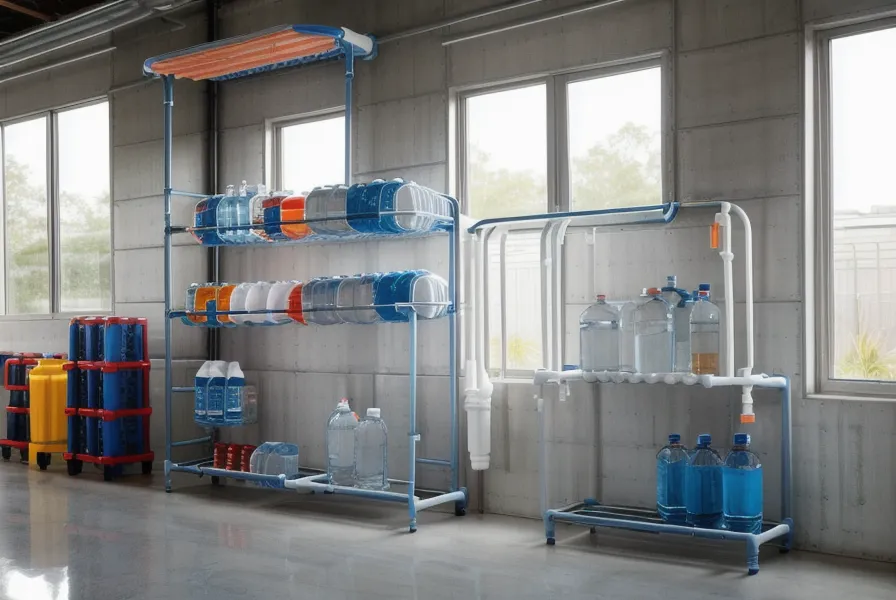
Finding the right amount to keep on a shelf like that took longer than picking the shelf itself. I've written up finding the sweet spot for suburban water storage in more detail elsewhere, but the short version is that storage-capacity planning isn't about hitting some ideal number. It's about landing somewhere between "enough to matter" and "not so much that half the garage disappears under water jugs."
What Happens to Your Water Before and After a Storm
A few neighbors fill the bathtub right before a storm as a last-minute improvised capture method, and it's a reasonable move for a few extra gallons, but it's not a substitute for water that's already been sitting in rotation and already been checked. The bigger blind spot is what happens after. Verifying your tap water is actually safe once pressure comes back on is a completely different skill from anything about storage, and plenty of people skip it because the water looks and smells normal. If your garage floods along with the rest of the street, protecting whatever's stored in there from contamination becomes a bigger question than whether you had enough gallons to begin with.
Preethi's Question: How Much System Is Actually Enough?
Preethi lives two blocks over and found her way to my garage after a neighborhood app thread about "the water guy" turned into an actual introduction. She'd moved from Austin and wanted to build something real instead of buying gear piece by piece, and her first question wasn't which footer-a116d1 to buy. It was whether all of this actually worked together as one plan or was just a pile of separate purchases. That's the layered-redundancy piece: stored jugs, a way to treat what you already have, and a plan for getting more if you run out, and no single item on that list matters much without the other two. I pointed her toward suburban water storage systems testing results, the write-up where I tracked a full year of footer-a116d1 testing, before she let herself add anything to a cart. Long-duration field testing tells you more about a container's real limits than a week of good weather ever will.
Craig Was Right to Call His Own Setup a Mistake
Craig Delacroix is someone I first ran into in a Houston-area preparedness group online, long before we ever met in person to trade gear in a Home Depot parking lot. When I asked about his own rotation shelving, he didn't dress it up. His first version put the heaviest containers on the top shelf, and he said flat out it was a bad call he was lucky to catch before something gave way. That kind of honesty is rarer in this space than it should be, and it's the same lesson this whole system keeps teaching: heavy goes low, light goes high, and the setup only works if you're willing to admit when a piece of it was wrong the first time.
None of this requires a spreadsheet, a bunker, or a garage that looks like a hardware store. It requires a handful of fixed check-ins tied to the seasons, a habit of using the oldest water instead of ignoring it, and enough honesty to toss a footer-a116d1 the moment it stops passing the basic check. Start with two containers instead of one giant drum, rotate them into something useful every few months, and the rest of the system builds itself around that one habit.