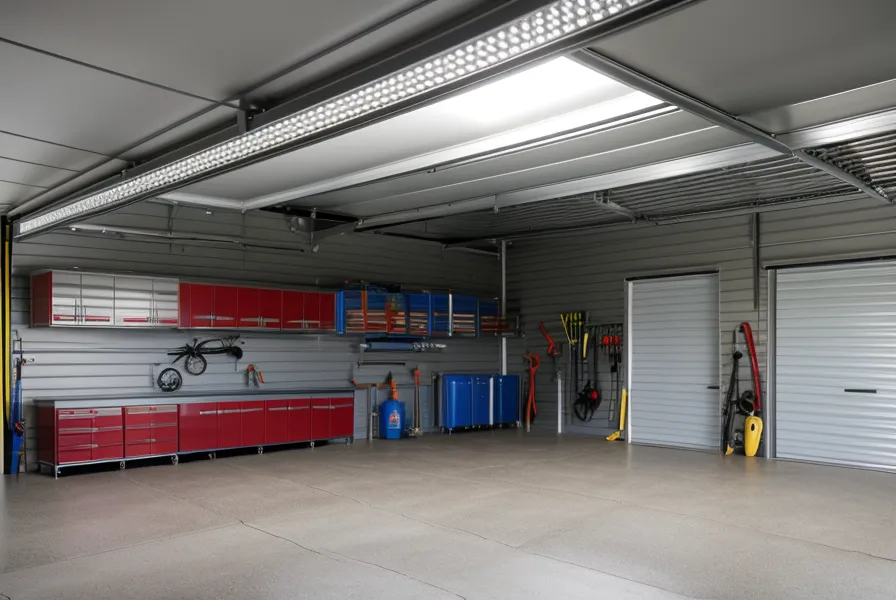
Fifty-five gallons split across a dozen stackable containers and fifty-five gallons sitting in one drum weigh exactly the same — but only one of those setups you can carry across a garage by yourself. That's the argument at the center of garage water storage, and it took me longer than I'd like to admit to actually believe it. My own driveway became the case study: three drums parked where my wife's car used to go, an eyesore arguing that more water automatically meant better emergency preparedness. It didn't. A suburban household in hurricane country doesn't need a bigger reserve so much as one it can rotate, move, and actually trust when the tap runs dry.
The Weight Problem Nobody Budgets For
Water weighs about eight and a third pounds per gallon, which turns a fifty-five-gallon drum into something north of four hundred and fifty pounds the moment it's full. In IT terms, that's over-provisioning hardware without checking whether the rack can hold it — I bought capacity before I bought a plan for accessing it. Figuring out your target capacity before you buy a single footer-a116d1 saves you from exactly the driveway situation I created, though sizing that number for your own household is its own calculation I won't redo here. I've already broken down how many gallons per person per day a family actually needs in how to calculate water storage needs for your suburban household, and that figure should size your system, not the other way around.
Every footer-a116d1 in my garage has to show the high-density polyethylene mark on the bottom before it earns a spot on the rack — high-density polyethylene is the food-grade plastic you want touching drinking water, and that's about as far as I'll go, since the full container-sanitizing routine before you fill anything long-term is a separate conversation worth its own page. Sandra, a neighbor who messaged me after seeing my prep notes on the neighborhood app, wanted to copy the spreadsheet I'd built for tracking all this, so I spent an afternoon in her garage mapping out storage for her family of four. What she actually ended up buying looked nothing like her original list, which tells you how theoretical this all stays until you're standing in your own garage doing the math.
Vertical Storage Wins the Square-Footage Argument
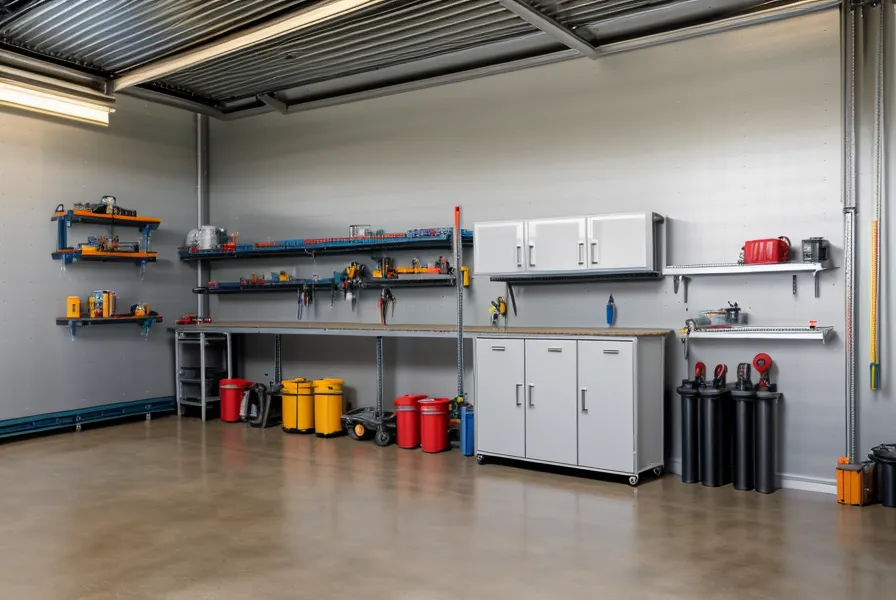
Going vertical is what actually solved my problem, not buying less water. I shifted from a handful of floor-bound drums to a tiered rack of stackable containers, and the footprint dropped enough that my wife's car fit in the garage again — a bigger win for household peace than any amount of stored water. Vertical racking also fixes the mobility problem from the opening comparison: instead of one four-hundred-fifty-pound drum that isn't going anywhere without a hand truck and a lot of patience, you've got individual containers a person can actually lift. None of this replaces having something portable for the car or a go-bag, either, since bulk storage sitting in a garage and a portable supply you can grab on the way out the door solve two different emergencies.
A battery-powered transfer pump replaced the siphon-and-a-prayer method I started with, since manual siphoning looks fine in a demo video and terrible at two in the morning during an actual outage. Filters are a different math problem entirely: a gravity filter's flow rate decides whether it's a real backup plan or just a slow bottleneck, and that's a deep enough topic to deserve its own breakdown instead of a paragraph here. Testing the pump against the old siphon setup was the closest thing to satisfying my inner IT troubleshooter. Swap the failing component, measure the difference, move on.
The Spigot That Actually Cracked
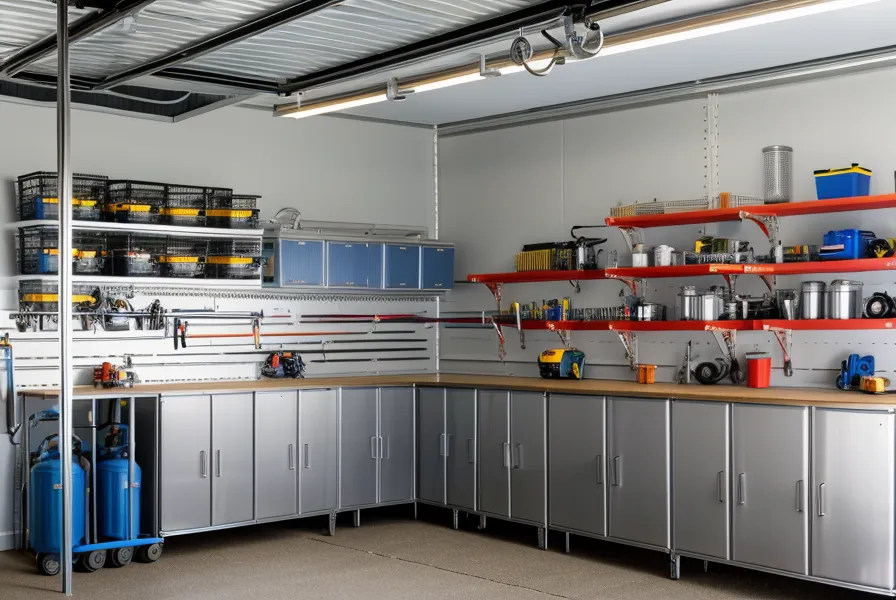
The spigot on one of my stackers cracked during a stretch of Texas heat. That was the clearest lesson yet that plastic fittings age faster in a hot garage than the packaging ever admits, a longer story than I have room for here, and one I've picked apart in more detail elsewhere. Mel, the neighbor who came by to help me lift a drum off the rack that same week, took one look at the crack and started rattling off every piece of gear on our block that's failed over the last few storm seasons, unofficial record-keeper that she's become.
Nothing about that leak was catastrophic — just a slow drip across the concrete for a few hours before I noticed it — but it reset how often I actually check the hardware instead of assuming it's fine because it was fine last quarter. I sanitize new containers with plain unscented bleach, and sodium hypochlorite is the active ingredient, though how long that stuff holds its potency sitting in a hot garage is its own maintenance headache separate from the containers themselves. Stored water doesn't last forever either, treated or not, and I've laid out the actual timeline in how long can you store water before it becomes unsafe rather than repeating it here.
Does a Rotation Schedule Actually Beat Raw Capacity?
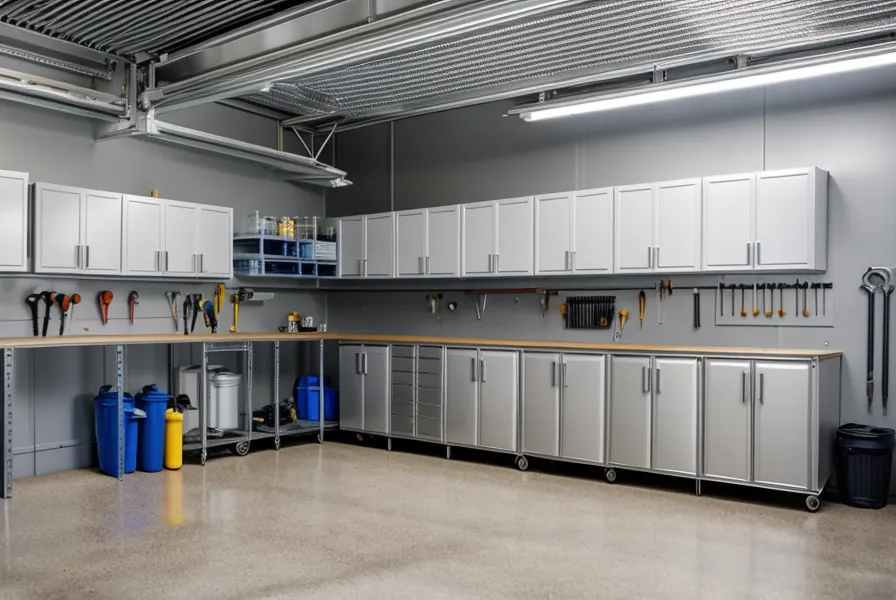
Rotating stock on a set schedule matters as much as how much you're storing in the first place, which is a bigger topic than I can fairly cover in a paragraph about garage shelving. I remember firing up the camp stove to boil pasta from the pantry stash one test weekend and standing there with the pot in my hand, realizing I'd pressure-tested every gallon sitting on that rack without once thinking through how much of it a single dinner would burn through. That gap between stored volume and actual daily use is exactly why the gallon math and the rotation habit matter more than the size of the reserve itself.
Not every fix I've tried has worked, either. I went through a stretch of using pool-shock purification tablets, which meant a full twenty-four-hour wait before the water was even safe to drink — a rough plan if whatever emergency you're dealing with doesn't wait twenty-four hours for you. Purifying water and filtering it solve two different problems, and mixing up the two terms is an easy way to end up under-protected without realizing it. What actually gets pulled out of the water varies a lot between methods too, and the contaminant-removal spectrum of a given filter matters more than whatever's printed on the box, though that's a comparison for a different piece.
After the water comes back on, verifying it's actually safe again is a separate step from anything sitting in your garage, and it's not one to skip just because the tap is running. A garage full of treated water is a buffer, not a complete plan — it gets a household through the first stretch of a crisis, not the whole thing. If you're looking past storage entirely, whether collecting rainwater for emergency use is safe in a suburban area is a question worth its own research before you go that route.
Match the System to the Garage You Actually Have
If you've got a dedicated corner of a three-car garage and no interest in assembling shelving, a couple of large drums might be the right call — one point of maintenance instead of a dozen containers to check every quarter. But if your garage doubles as parking and storage and everything else a household dumps in there, the tiered, vertical setup is worth the assembly weekend: it costs setup time up front and gives back square footage, plus the ability to actually carry your own water supply instead of being stuck wherever the drum landed. Either way, the system only works if someone in the house actually checks it on a schedule — the shelving and the containers are the easy part.
I'm still the neighborhood water guy. I just used to be the guy with three drums blocking the driveway, and now I'm the guy with a rack, a logbook, and a spouse who can park her own car again. Before you treat or store water for your own household, check your approach against your local water authority's guidance, since what's safe depends on your specific situation.