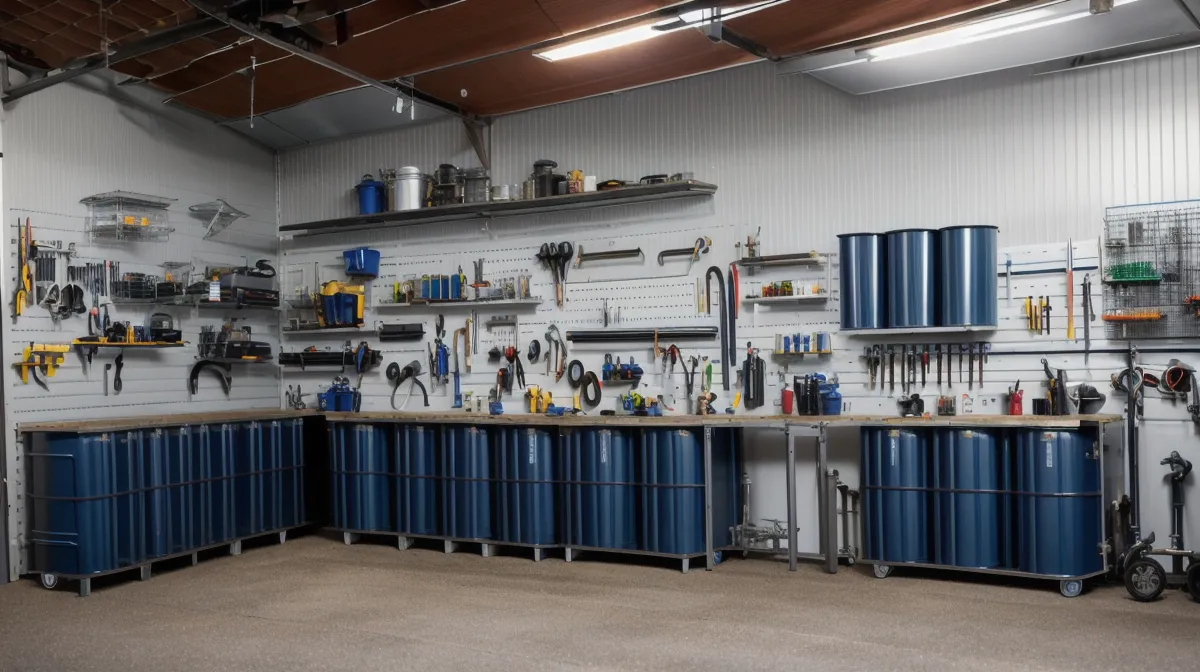
Eight drops. That's the entire dosing difference between a safe gallon of stored water and a wasted barrel of it, straight from CDC emergency water disinfection guidelines rather than from eyeballing a cap like you're seasoning a pot of chili. I started paying attention to numbers like that after Hurricane Beryl knocked our tap water out for four days in 2024, which turned long-term water storage from a mildly interesting hobby into an actual emergency preparedness habit — these days my two-car garage in Katy, just west of Houston, runs as a year-round water purification testing lab, and it's become the backbone of our home resilience plan whether my wife fully signs off on the blue barrel collection or not.
Walk in on any given weekend and you'll find a pegboard of hose fittings and spare filter cartridges, a line of labeled containers stacked chest-high along one wall, and a utility sink I only ever run cold out of. Half those cartridge boxes still smell faintly of damp cardboard by August, which tells you everything about Houston humidity and nothing about whether what's inside still works. Seven years of treating home water prep like an ongoing IT ticket hasn't made the garage smell any better, but it has taught me that liquid chlorine is still the cheapest, most reliable tool in there, provided you respect the math, which is where most how-to guides quietly lose people.
Not Every Bottle of Bleach Will Work
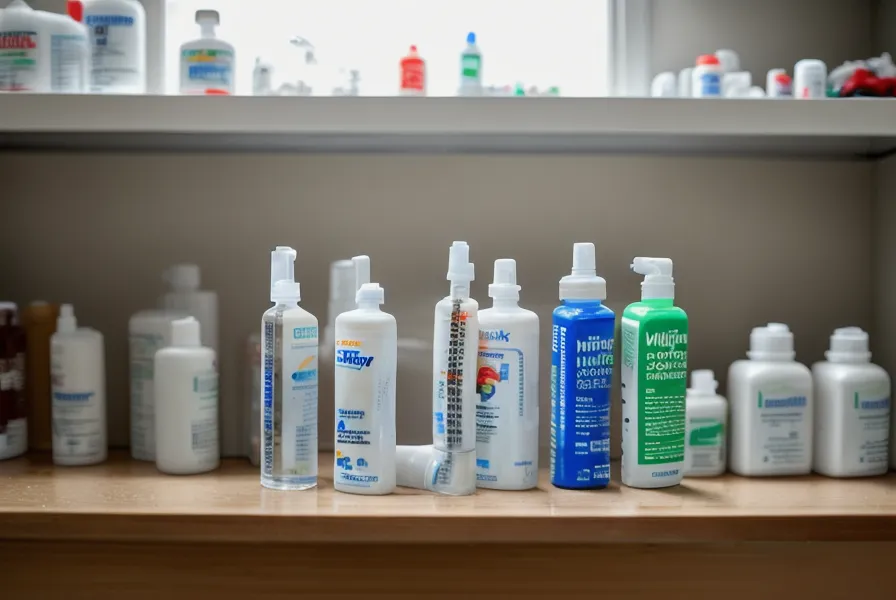
Grab the wrong bottle off the shelf and you can ruin an entire barrel before you've measured a single drop. Skip anything labeled splash-less or scented — those versions carry thickening polymers and synthetic surfactants that keep the liquid from jumping out of the jug mid-pour, and neither additive belongs in your drinking water no matter how diluted it gets. What you want is plain, unscented bleach with nothing added for fragrance or fabric softening.
Concentration is the other variable nobody mentions until it's too late. Sodium hypochlorite percentages have shifted over the decades — older guidance assumes a 5.25 percent solution, while most regular unscented bleach on store shelves today runs around 6 percent, and the concentrated formulas sit at 8.25 percent. Mixing up those numbers is the easiest way to either under-treat your water or dose it heavier than you meant to.
How Many Drops Per Gallon Do You Actually Need?
For 6 percent bleach, CDC guidance calls for 8 drops per gallon of clear water, which scales to roughly 1.25 teaspoons for 10 gallons, or just under 2.5 tablespoons for a full 55-gallon drum. Switch to 8.25 percent concentrated bleach and the number drops to 6 drops per gallon, working out to about 1.75 tablespoons — somewhere around 25 to 27 milliliters — for that same drum. A strict 30-minute wait after dosing comes straight from EPA guidance, and it matters more than people assume. I keep a 5 ml oral syringe, the kind pharmacies hand out for infant fever medicine, taped to my barrel wrench specifically so I never have to eyeball any of this.
Container material matters almost as much as the dose itself, though that's really a question for a different article than this one — the short version is that you want HDPE 2 plastic, food-grade, and nothing that's been baking in direct sun for years. If you're storing water somewhere indoors rather than a garage, food grade water storage containers for your master closet covers that side of things in more depth.
Your Water Can Eat the Chlorine Before It Starts Working
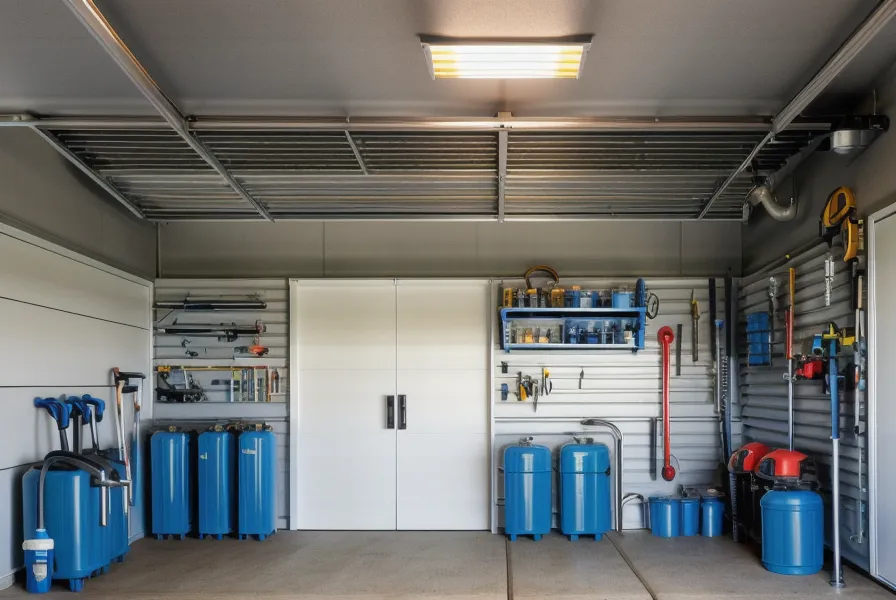
Chlorine doesn't wait patiently for bacteria. It reacts with whatever organic material shows up first — algae, biofilm from an old garden hose, dust, sediment from your plumbing — and once that organic load eats up the dose, there's nothing left to neutralize the pathogens you actually care about. It's the same failure mode as a DDoS attack on a firewall: harmless background traffic floods the system, and the real threat walks right through while everything's busy with noise.
A dedicated food-grade drinking water hose (the white or blue ones sold for RV camping) and two minutes of flushing the spigot before you fill anything solves most of this before it starts. The EPA's 30-minute wait after dosing isn't just a timer — open the barrel afterward and smell it. A faint chlorine odor means it worked. No smell at all means the organics in your source water won.
My neighbor Mel won't take my word for any of this — he's the type who needs to watch a fix fail in person before he trusts it, so he's usually the one dipping the test strip himself rather than just reading my numbers off a sheet. If the strip comes back with no odor and no residual after 30 minutes, the fix is a second identical dose and another half hour, not a shrug. If round two still comes back dead, dump the batch and start over with cleaner source water.
Emergency Preparedness Still Needs Fresh Bleach
Yes, and faster than a sealed bottle under your sink would suggest — once a Texas summer gets involved, a bleach bottle that's spent months baking on a workbench isn't dosing at the percentage printed on the label anymore. Buy it close to when you actually plan to treat water rather than months ahead of time, and if tracking chemical math and rotation schedules isn't something you want hanging over your emergency preparedness plan, how to stabilize stored water for multiple years without using bleach is the option I'd point you to instead.
Bottled Water Isn't Enough on Its Own
Bottled water feels like the lower-effort answer, and the first time our tap went out, that's exactly what I leaned on — a cart's worth of cases from Costco, stacked in the garage, which I figured was plenty for whatever came next. It wasn't. Between drinking, cooking, and the dishes nobody wants to do with bottled water, that supply was gone by the second day of the outage, and the shelves near us were already picked clean by the time I went back for more.
What actually clicked for me wasn't a chart or a guideline — it was standing over a camp stove in the driveway, stirring a pot of pasta from the pantry and feeling fairly proud of how prepared our food situation was, before realizing the only water left in the house was the half-gallon jug sitting by my foot. Food storage is the easy half of this. Treated water sitting in barrels is the half people forget until they're out of it.
My neighbor Sandra messaged me after seeing my prep notes posted on the neighborhood app, and the first thing she asked for wasn't a lecture on chemistry — she wanted whatever version worked without turning her garage into a lab. The honest answer is that chlorine treatment gets you there: you do the dosing math once per batch, you're done in under an hour, and none of it requires buying equipment or learning new gear.
Refreshing Water You've Already Treated
Treated water doesn't last forever untouched, and a simple six-month reminder on your phone is enough to stay ahead of it — drain the old batch, flush the container, and redose with fresh bleach rather than trying to stretch chemistry past what it's good for. For the actual draining part, I've leaned on best emergency water siphon pumps for rotating large storage barrels more than once, mostly to save my back from hauling 55 gallons out by bucket.
None of this requires a chemistry degree or specialized equipment, just a cheap bottle of the right bleach, a syringe you probably already own if you have kids, and a willingness to read the label instead of guessing. Respect the dilution, watch for that faint chlorine smell after 30 minutes, and rotate your barrels on a schedule, and liquid chlorine will outperform almost anything else you could buy for turning tap water into something that survives sitting in a hot garage for months at a stretch.
One more thing worth repeating: I'm in IT support, not public health or toxicology, and nothing here replaces guidance from your local health department or an actual doctor if someone in your household has specific medical needs. Follow established agency protocols for drinking water treatment, not a stranger's garage notes.