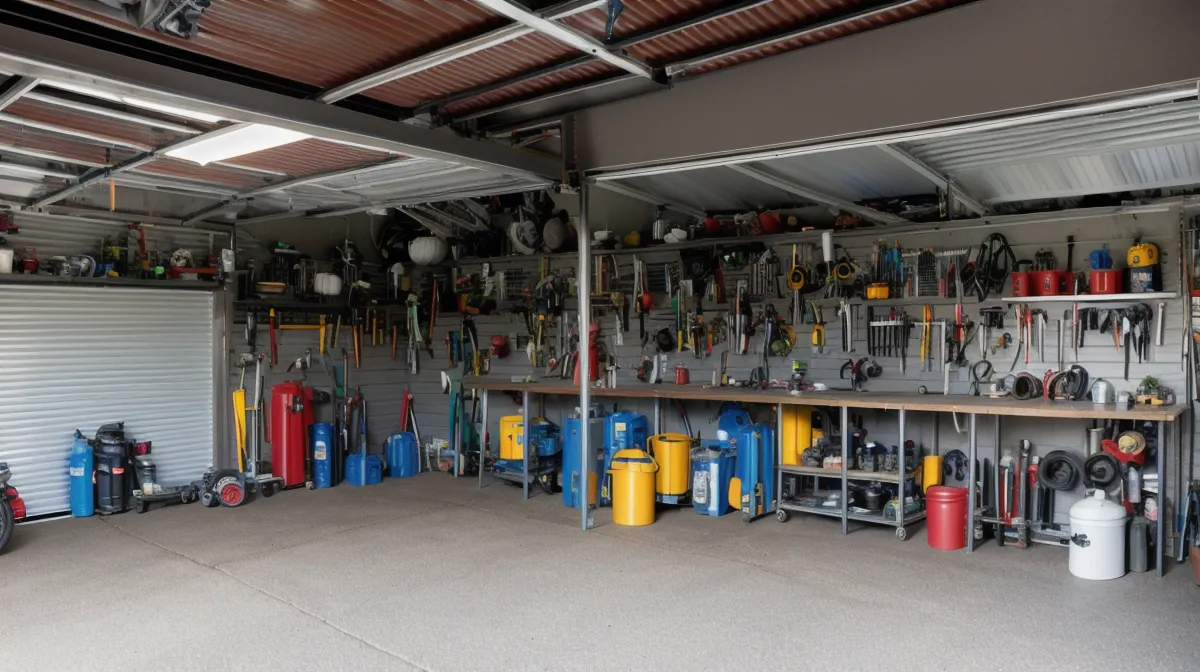
Four hundred sixty-seven pounds is roughly what two weeks of bottled water comes out to for a family of four, once you actually put it on a scale instead of eyeballing a price tag at the store. I found that number the hard way, after a cracked case let two gallons loose across my garage floor and my tool cart wheels. It is not a complaint about the price. It is a complaint about the physics, and physics is where the real cost of emergency water lives.
A quick note before the math: this page contains affiliate links, and I earn a commission if you buy through them, at no extra cost to you. I am an IT support guy who has spent years testing water gear in a Houston-area garage, not a civil engineer or a doctor, so treat anything here as a comparison of my own results rather than medical or engineering advice.
Hurricane Beryl is what started this whole project for me, cutting water to my street for four days back in 2024, and my first move afterward was the same one everyone makes: buy more plastic. The logistics problem showed up almost immediately, which is why I started running the numbers on something further out on the spectrum — the Water Freedom System, a DIY blueprint for pulling drinking water out of the air instead of hauling it home in cases.
Here's What Bottled Water Really Costs in a Garage
The baseline most agencies use is one gallon of water per person, per day, with roughly two weeks held in reserve for anything serious. Run that for a four-person household like mine and you land on 56 gallons sitting in the house at all times — not a number anyone invents, just the math everyone in prepping circles starts from.
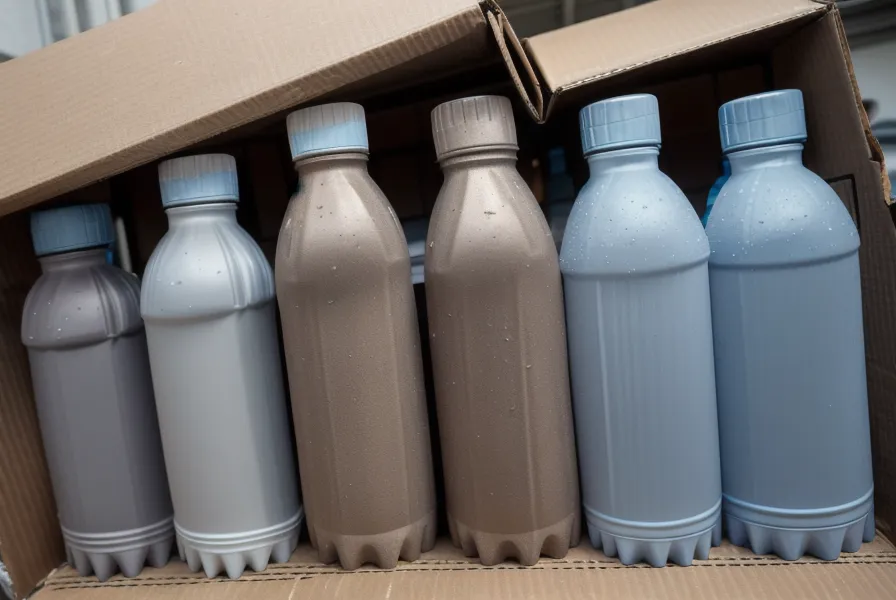
Translate that into shelf space and the picture gets uncomfortable fast. A standard 24-pack of 16.9-ounce bottles — the kind stacked by the pallet at the Sam's Club on I-10 West — works out to about 3.17 gallons per case once you run the fluid-ounce conversion. Hitting that 56-gallon target means hauling home close to 18 full cases, and finding room for them anywhere in a Texas garage turns into its own project.
Water weighs 8.34 pounds per gallon, which is where that 467-pound figure from the top of this article comes from, and it sits as dead weight on a slab or warps a utility shelf for months at a stretch. The bottles themselves do not help matters — thin PET plastic softens under stacking pressure and can pick up odors from whatever else lives in a hot garage, something I went into further in Does Bottled Water Expire? How to Store Store-Bought Cases Long Term. Then there is the rotation itself: you are constantly swapping old cases for new ones, which is basically the same discipline as rotating backup drives at work — skip a cycle or two and the whole system quietly goes stale on you.
If your household is not four people, the formula scales on its own — multiply one gallon by your headcount, then by however many days of reserve you are planning for, and you get your own number without guessing. Bottled water looks cheap on a receipt because the sticker price never includes the square footage, the hauling, or the climate control it quietly demands once it lives inside your house.
Can You Actually Pull Drinking Water Out of Houston Humidity?
Houston humidity is brutal enough that the basic physics behind atmospheric water generation never struck me as far-fetched — pull moisture out of the air, run it through filtration, and you have a water source that never touches a grocery store shelf. The Water Freedom System is built around exactly that idea, using repurposed dehumidifier-style components paired with a filtration stage rather than anything purpose-built or industrial.
What you actually get is a set of digital schematics and a parts-sourcing list — instructions for mounting condensation coils, routing runoff, and tying the collected water into a filter stage, not a device that shows up in a box ready to run. A guy I know from a Houston-area prep Facebook group, Craig Delacroix, went this route before I did, and he will tell you flat-out that his first big prep purchase years earlier — pallets of bottled water — was the wrong call for his setup, which is part of what pushed him toward the blueprint instead. I went deeper on the baseline mechanics in my Water Freedom System Review: Can It Really Pull Water from Thin Air?, but the short version is that it rewards someone who does not mind measuring copper tubing and wiring a float switch on a weekend.
Access itself comes as an instant digital download backed by a 60-day money-back guarantee, and the only added cost worth flagging is a small shipping fee if you order the printed companion book instead of reading it on a screen.
Where the Real Cost Shows Up Over Time
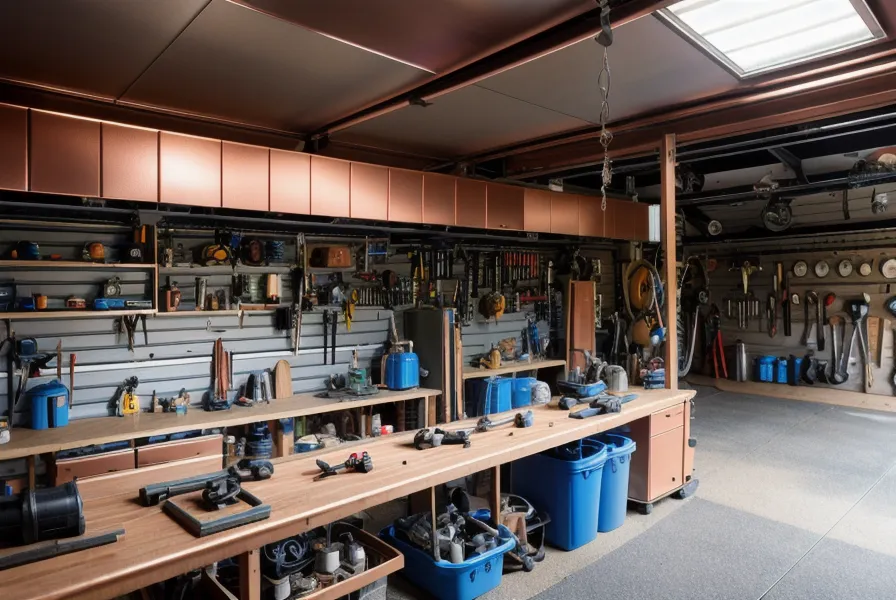
Most comparisons stop at sticker price versus book price, which misses the part that actually matters — labor. Bottled water front-loads its cost: you haul it in, you lose the shelf space, and once it is sitting there it asks nothing else of you until the rotation deadline shows up. An atmospheric rig flips that completely. The floor footprint shrinks to something the size of an upright computer tower, but you become the person responsible for running it.
That means sanitizing the collection pan so bio-film does not get a foothold, flushing the inline filter cartridge on a schedule, and checking the condenser coils for dust the same way you would check a server fan before it cooks the whole unit. I have gotten sloppy about that discipline exactly once — grabbed what I thought was my glass off the workbench and ended up drinking straight out of the dog's water bowl instead, because it had been filled from one of my test batches and I did not stop to smell it first. Nothing happened to me, but it is the reason I smell every sample now before it goes anywhere near my mouth.
For someone who wants the independence without becoming a part-time plant operator, a turnkey unit like the SmartWaterBox skips the fabrication step entirely and behaves more like an appliance than a weekend project. My neighbor Preethi Ramachandran came by wanting exactly that kind of comparison before she spent a dollar on either option — she plans these things out months ahead and will not commit to one piece of a system until she understands how the whole thing fits together, which is honestly the right instinct for anyone staring at this decision.
Four Ways to Build Household Water Security
Once you separate passive storage from active generation, the market splits into a few clear lanes. A turnkey appliance like the SmartWaterBox aims at households that want rapid deployment without plumbing fabrication — check the vendor site directly for current availability. The Water Freedom System sits on the opposite end as a documentation-first blueprint, trading a low up-front cost for your own assembly time and the maintenance habit described above. If your bigger worry is protecting household utilities during a structural outage rather than generating water outright, something like David's Shield is built around that kind of operational security instead. And since any atmospheric generation setup depends on power, a guide such as Dark Reset is worth a look for keeping water generation and other essential circuits running during a full grid failure.
Choosing Between Bottles and a Blueprint
Where I landed is less dramatic than either extreme. Storing enough bottled water to outlast a bad week still makes sense, but treating it as a years-long reserve ignores how badly Houston heat treats plastic and shelf space both. Running the numbers side by side, the decision mostly comes down to one honest question: do you want to spend money to buy your time back, or spend time to keep the square footage small?
If pipe fittings and sanitizing condensation coils sound like a chore you will put off indefinitely, buying a sensible rotation of bottled cases or a pre-assembled unit like SmartWaterBox is the path of least resistance. But if an off-grid water source that does not eat your garage floor appeals to you more than it scares you, the Water Freedom System blueprint earns its keep — just go in knowing the maintenance is now your job, not the shelf's.
| Product | Rating | |
|---|---|---|
| SmartWaterBox Top Turnkey Pick | 9.2 | Read More → |
| David's Shield | 8.6 | Read More → |
| Water Freedom System | 8.3 | Read More → |
| Dark Reset | 7.8 | Read More → |
Water Freedom System
Pros
- ✔ Eliminates hundreds of pounds of garage storage footprint
- ✔ Backed by a 60-day 100% money-back guarantee with instant digital access
- ✔ Clear step-by-step schematics suitable for basic DIY troubleshooting
- ✔ Produces potable water independently of municipal supply lines
Cons
- ○ It is a guide bundle rather than a ready-made device, requiring parts sourcing
- ○ Printed edition adds $9.95 shipping fee
- ○ Requires ongoing hands-on sanitation maintenance of condensation coils