
The multimeter clicks onto a continuity setting just as my neighbor, the guy who hauls orange cones out to the field for the kids' Saturday morning soccer league, leans over the fence and asks the question everyone eventually asks when they see the rig on my workbench: can that thing really pull emergency water out of thin Gulf Coast air? The product behind the question is the Water Freedom System, a DIY blueprint that promises off-grid water independence for anyone willing to trade a weekend for a soldering iron. Short answer: the physics are real. The marketing just skips the part where that water costs you daily upkeep most families never signed up for.
Quick disclosure before we get into the guts of it: this site runs on affiliate links, so if you buy through one of mine I earn a commission at no added cost to you. I only write up gear and guides I've actually assembled, powered on, and tested myself — nothing here is a stand-in for sponsored copy.
Hurricane Beryl is the reason any of this matters to me. The storm knocked out municipal water to my part of the suburbs for four straight days in 2024, and the moment that really drove it home — the one that still makes me check our water reserve before the season's first named storm — was standing over a camp stove boiling pasta from the stored dry-goods bin and realizing I'd planned every calorie for that meal and not one gallon to cook or clean it with. That gap is what sent me down the atmospheric water generator rabbit hole, and it's what eventually put the Water Freedom System blueprint on my workbench.
"Water From Thin Air" Performance in Houston Humidity

Start with the baseline every prep site quotes: FEMA and the Red Cross both put the bare minimum reserve at one gallon per person per day, which for a family of four turns a routine two-week outage into dozens of heavy containers eating garage floor space. I went deep on comparing stackable food grade water containers for suburban homes trying to solve that footprint problem, and bulk storage never really stops being a space tax on your garage.
Pulling water from humid air instead of hauling and storing it is the obvious appeal — Houston humidity sits above eighty percent for most of hurricane season, so on paper you're routing your water supply through ambient moisture the same way you'd route web traffic through a cloud proxy instead of racking local servers. That comparison is exactly what pulled my IT-support brain toward testing whether the Water Freedom System blueprint could make good on it.
One caveat before anyone starts ordering parts: I troubleshoot networks for a living, not water systems. I'm not a civil engineer, a licensed plumber, or a medical professional, and anything involving drinking water you produced yourself deserves a hard look against your local health guidelines before it touches a glass.
What You're Actually Buying Is a DIY Preparedness Blueprint, Not an Appliance
Here's the detail that surprises a lot of buyers: the Water Freedom System doesn't ship you a finished machine. You get a digital blueprint — instructions for building your own atmospheric water generator from parts you source yourself at a big-box hardware store — backed by a 60-day money-back guarantee, with a spiral-bound print copy available for an extra $9.95 in shipping if you'd rather have paper in hand. Pricing on the digital package moves around with whatever promotion happens to be running, so check the vendor's page directly rather than trust a number I'd be guessing at.
The underlying concept is thermodynamic condensation: chill a bank of metal surfaces below the dew point and airborne moisture gives up and turns liquid, dripping into a collection tray before running through filtration. It's the identical physics behind the puddle that forms under a window air conditioner on a humid afternoon — nothing exotic, just applied cold metal.
Building the Condenser Is Where the Theory Meets a Workbench
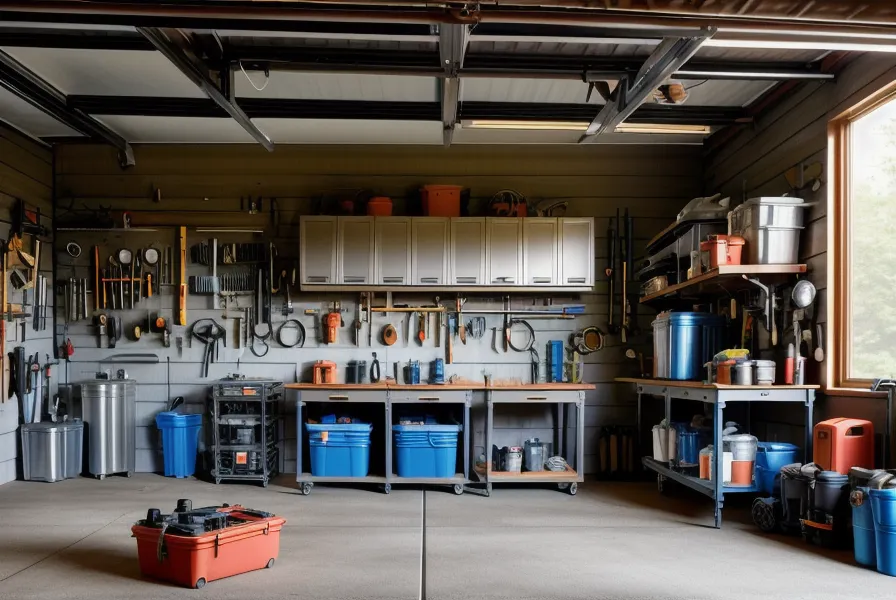
Assembling the rig feels closer to building a custom PC than installing an appliance: copper tubing, a sealed condensation chamber, small fans, and solid-state thermoelectric cooling chips. I ran TEC1-12706 modules, which draw roughly 60 watts apiece at full load, and the one wiring detail that trips up almost everyone is polarity: feed a peltier chip current backward and the cold side becomes the hot side, turning your condenser into a space heater instead. Get that right and the copper array starts beading moisture within minutes.
The Dust-and-Power Problem Nobody Mentions in the Ads
Yield lives and dies on ambient humidity. These systems need roughly 30% relative humidity just to produce measurable droplets, with higher humidity paying off disproportionately — which is one of the rare cases where the Gulf Coast actually works in your favor instead of against you.
Power is the part the sales page glosses over. Sixty continuous watts per cooling unit adds up fast if you're running the rig off an off-grid solar generator during a wider outage, and condensation only happens while the fans and cooling chips stay powered; without power, you've built an expensive paperweight.
Then there's the contamination angle most marketing copy skips entirely: condenser coils pull dust, pollen, and volatile organic compounds out of the air right along with the water vapor, so what drips into your tray is closer to distilled garage dust than anything you'd call clean. Filtration and purification solve different problems here — a filter strains particles out, while purification deals with what's dissolved or biological in the water — and you genuinely need both before this water is safe to drink. My rundown of best inline water filters for emergency home backup systems covers which media actually holds up against that kind of contaminant load.
Condensation vs. Bulk Storage: Comparing the Real Daily Cost

Bulk storage has its own headaches, and I've got the sore back to prove it. I once bought a 55-gallon blue barrel, filled it, and discovered I couldn't budge it an inch without draining it back down first. But once a stored container is treated and parked, it sits there like a backup drive that never has to spin up, whereas a condensation rig demands daily attention: checking the collection pan for mold, watching the fittings, keeping airflow clear. Storage brings its own chores too — rotating water on a schedule, planning vertical footprint so a wall of containers doesn't eat the whole garage, sanitizing anything you're reusing, and tracking how long a given container is actually good for sitting untouched. Sanitizing a reused barrel with diluted bleach in a closed garage leaves a sharp chemical bite at the back of your throat if you've gone too strong on the ratio — and chemical purification drops have their own shelf life too, so a bottle from a few summers back may not be doing what the label claims anymore.
If the idea of soldering wire harnesses on a Tuesday night doesn't excite you, turnkey pressurized units like SmartWaterBox, or bundled kits like David's Shield and Dark Reset, get you drinkable water out of the box in minutes instead of a weekend, with no parts list or multimeter required.
The Verdict: Who Should Actually Build This
Can the Water Freedom System pull water from thin air? Genuinely, yes. The engineering holds up as long as the air is humid enough and the power stays on. What it doesn't do is replace a primary water plan; treat it as one layer in a redundant setup stacked behind real stored reserves and a proper filter, not the layer you'd bet your family's water on by itself during an actual outage.
If building that independent skill set and understanding exactly how your water gets made appeals to you, the Water Freedom System blueprint is worth the download. If you'd rather have something that works the moment the tap goes dry without a tool in your hand, put your money into stored reserves and a turnkey unit like SmartWaterBox first, and treat the condenser as the backup project for a weekend when the pressure's off.