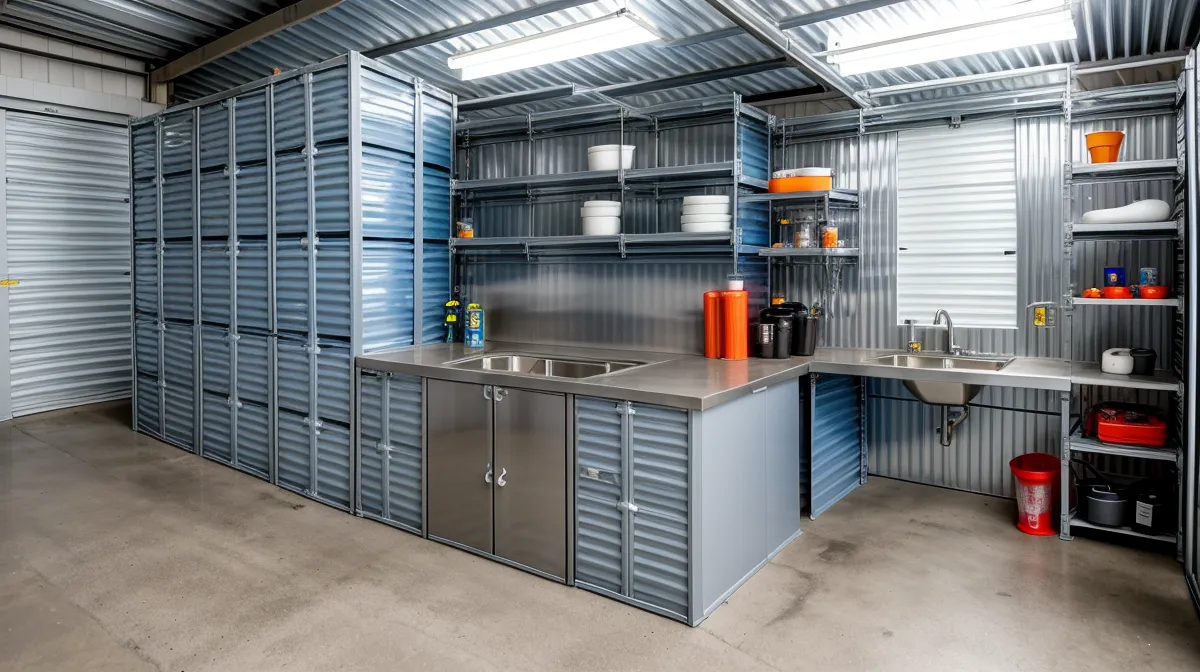
Forty-two pounds. That is what a five-gallon water box weighs once you have filled it all the way, and it is the number that quietly wrecks more emergency water preparedness plans than any hurricane forecast does. I have spent the past month running SmartWaterBox units side by side with a handful of other storage and filtration setups out of my garage west of Houston, trying to answer one plain question: which of these actually gets a family through four days with no tap water, and which ones just look good in a product photo. Quick disclosure up front: some of the links in this piece are affiliate links, and if you buy through them I earn a small commission at no extra cost to you. That does not change what I tell you about how each one performed.
Update (September 2026): Aqua Tower is no longer available for purchase; this article is kept for reference. Our current alternative pick in this category is Water Freedom System.
The Box vs. the Bottled-Water Scramble
Hurricane Beryl is what started this whole habit. When the power and water went out west of Houston, my family did what a lot of neighbors did — we drove to the H-E-B on Mason Road looking for anything bottled, and the shelves were already close to bare by the time we got there. I tried running tap water through a Brita pitcher during the boil-water notice because it was sitting on the counter and felt like better than nothing. It was neither fast nor built for that job; a basic carbon pitcher is meant to improve taste, not handle a contamination notice. Four days of that scramble is what eventually pushed me toward dedicated storage instead of hoping a grocery store would bail us out again.
What HDPE Actually Buys You in Houston Heat
Once I looked into what these boxes are actually made from, some of my skepticism eased. The SmartWaterBox and most of its rivals use high-density polyethylene (HDPE) — the same tough, food-safe plastic used in a lot of shipping containers — and it is BPA-free, which matters when a box sits in a Texas garage through a full summer of triple-digit heat. None of the containers I tested warped or picked up a plastic smell strong enough to notice, even after weeks of that heat.
Cracking the Vent Cap: A Product-Testing Mistake Worth Mentioning
Somewhere in the middle of this testing stretch, I moved one box into the kitchen to handle coffee and dog water, which is where I made my only real mistake with the unit itself. I poured straight from the spigot without cracking the vent cap first and got a rhythmic glugging splash across my sneakers for my trouble — the vacuum pressure fights you every time until you let air in properly. Once I figured that out, the flow rate turned out to be genuinely good. It filled a twelve-cup coffee carafe in under a minute, which is plenty fast for a family of four even under pressure. My wife's verdict, delivered without much ceremony, was that it beats the flimsy jugs but has no business living on the kitchen counter permanently — fair, since a five-gallon box was never meant to double as decor.
SmartWaterBox and Aqua Tower Split on Weight, Not Price
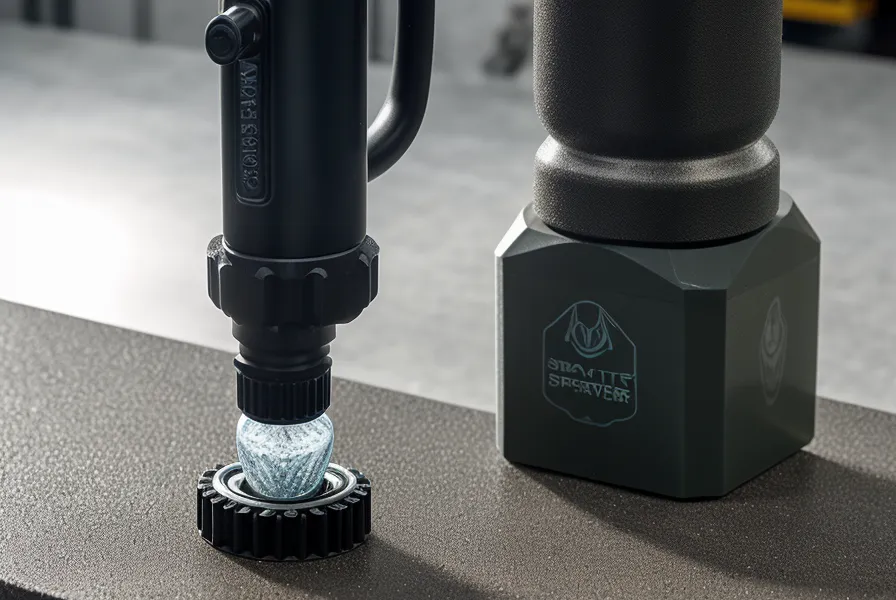
Here is where the comparison gets interesting. A full SmartWaterBox weighs in around that forty-two-pound mark from the start of this piece, and moving one means picking up something close to a car tire with a handle bolted on. The Aqua Tower takes a different approach — a narrower, taller footprint that slides through a doorway or wedges between a water heater and a wall, though you lose some of the flat-sided stackability that lets the SmartWaterBox line up three deep against a garage wall. A colleague of mine, Tiffany Bui, actually ran the math on this properly. She is the kind of person who shows up to a five-minute hallway chat with a spreadsheet already open, and she pointed out that the real question is not which box is better, but how many gallons you can fit per square foot of garage wall you are willing to give up. That kind of storage-capacity planning matters more than the sticker price once you are past the first two or three boxes, and it is also why a narrower, taller footer-a116d1 earns its keep in a house without much floor space to spare.

Sealing Out the Algae Problem
Leaks are the failure mode that worries most people, and for good reason — a slow drip against drywall or carpet does its own kind of damage. Every box in this round of testing stayed sealed under load, including a SmartWaterBox stacked three units high in the corner of my garage. The interlocking grooves hold up fine under static weight, but do not try to shift a stacked column sideways once it is full. I tried nudging three stacked boxes a few inches across a smooth patch of garage floor and learned that the top box does not care about your plans — it slides its own direction and comes down hard enough to test the case, not just the seal. Seals holding is only half the story anyway. I have written elsewhere about how to store water in a Houston garage without growing algae, and a big part of that comes down to swapping your water on a regular rotation instead of filling a box once and forgetting about it — that habit matters more than which brand of box you buy.
Does This Box Need a Filter on Top?
A filter solves a different problem than a storage box does, which is easy to blur together when you are shopping for both at once. If you are unsure about the water going into your containers — older pipes, a source you do not fully trust — something like David's Shield can add a layer of filtration on top of storage rather than replacing it. Gravity filters solve yet another piece of this puzzle, and how fast one actually pushes water through is a spec worth checking before you assume it can keep up with a family's daily use. I have also tested this box against tablets in my Dark Reset vs traditional purification tablets comparison, and tablets are really solving a portability problem — a water bottle on a trail — rather than the five-gallon-at-a-time problem this box is built for.
Budget Box or Full Price?
Price differences in this category are smaller than people assume, so the real question is what you are giving up at the lower end. The Dark Reset jugs are the budget option in this lineup, and after a long enough stretch in storage, the handle joints on mine started showing stress whitening — that faint whitish marking plastic gets once it has flexed under load repeatedly — while the SmartWaterBox handles still looked new. For a box you plan to grab, fill, and rotate every few months, paying a little more up front for that durability is worth it. Rotation only works, though, if you are also sanitizing the footer-a116d1 properly between fills, and that is its own small process. A quick rinse is not the same thing as sanitizing a footer-a116d1 you are about to trust with a month of stored water.
Storage Comes Before Purification
If you are building an emergency water plan from scratch, sequence matters more than people think. Get your storage sorted before you worry about advanced purification gear, because a box of water you already know is clean solves the most common four-day scenario by itself. I go into the difference between purifying and filtering water in more depth in my troubleshooting guide to emergency water purification, but the short version for this comparison is that a sealed box like the SmartWaterBox sidesteps that whole question, since nothing is happening to the water except sitting there. Purification drops are a different tool again, and most people do not realize those have their own shelf life once you crack the bottle open — a detail that has nothing to do with how long your stored water itself stays good.
Choosing the Right Setup for a Four-Day Outage
A reader named Darnell Fontenot has been emailing me on and off since last year's flooding season, and he brings a useful outside perspective. He grew up in Louisiana and moved to Katy after riding out serious flooding there, so he measures every option here against what actually held up during those storms rather than against a spec sheet. His take, after running his own side-by-side, matched mine: a sealed box beat anything improvised, every time, and the specific brand mattered less than whether the seal actually held and the water got rotated on schedule.
I noticed how much this had changed my habits a few weeks back, making pasta on a camp stove during a drill just to see how the pantry side of things held up. It was not until the noodles were nearly done that I thought to check whether I had actually pulled the cooking water from a stored box or the tap, which tells you how automatic drawing from the SmartWaterBox has become. That is really the test — not whether a box performs well in a review, but whether you stop thinking about it.
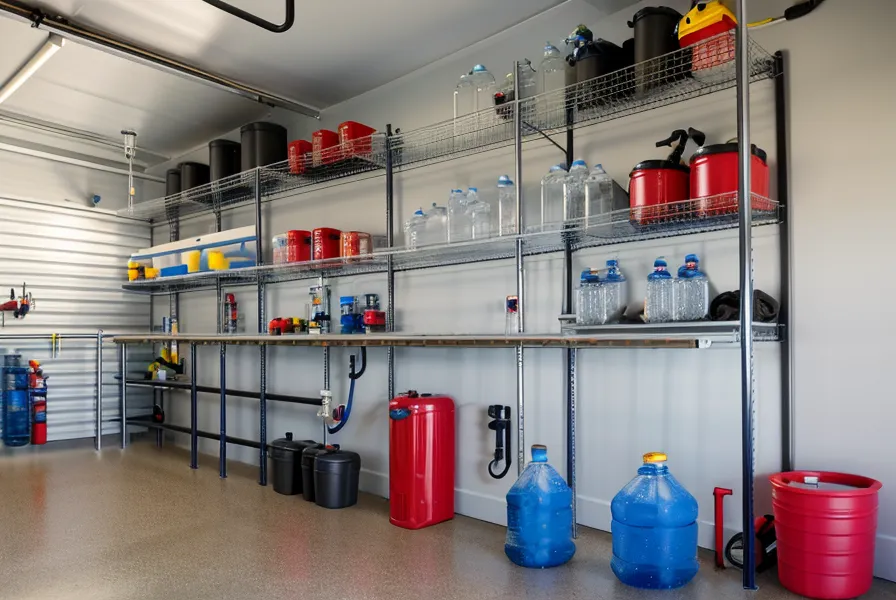
None of this replaces figuring out how many gallons per person per day your household actually needs, which is the first number to nail down before you buy any box at all — a family of four needs a lot more than a family of two, and that math should come before brand comparisons. It also does not replace having something portable for the car, which is a separate kit with its own trade-offs from anything sitting in a garage. But for the specific four-day, no-tap-water scenario this article started with, here is the actual verdict: if your garage has open floor space and you want maximum capacity per box, get the SmartWaterBox. If you are working with a narrow closet or tight storage space, or you have a household member who cannot lift forty pounds comfortably, the Aqua Tower's shape earns the extra thought even at a similar cost. Either way, the box only works if you actually rotate the water and keep the seal intact — the footer-a116d1 is the easy part.