You can't trust a purification tablet to make floodwater safe just because a thirty-minute timer ran out, even if the water still looks like weak tea when you pour it out. That realization is exactly what pushed me to start pitting my old tablets against the Dark Reset filtration system instead of just restocking the same tablet bottle every hurricane season. Water purification and water filtration solve two different problems, and after a few Houston-area storms, I've learned the hard way that you usually need both running in tandem rather than picking one and hoping it covers the other.
Update (September 2026): Aqua Tower is no longer available for purchase; this article is kept for reference. Our current alternative pick in this category is Water Freedom System.
Quick disclosure before the breakdown: this site runs on affiliate links, and if you buy gear through one of mine, I earn a commission at no extra cost to you (my spouse still gives me a look every time a new box shows up on the porch). Every product mentioned below got tested against real problem water in my own garage, not judged off a spec sheet, and none of this is a substitute for professional guidance. Check your local water advisories after a storm, and if your situation goes beyond a short-term outage, talk to someone qualified instead of taking emergency-preparedness advice from a guy whose day job is IT support.
Why Doesn't a Purification Tablet Fix Cloudy Runoff Water?
Traditional purification tablets — mine are the NaDCC-based kind sold in most sporting goods stores — are built to knock out pathogens in water that already looks reasonably clean, the way a mountain stream might look to a hiker filling a bottle. They store well for years without much fuss, which is part of why they end up in so many go-bags. What they are not built for is turbidity, the cloudiness that shows up in floodwater and street runoff after a storm blows through. Drop a tablet into a jar of that water and the pathogen count may well drop the way the label promises, but the water still looks like something you would not want to wash your face in, let alone hand to a kid.
That gap between technically treated and something I would actually give my family is the whole reason I started testing filtration systems side by side with the tablets instead of just renewing my tablet supply every season without asking questions.
Tablets Versus Dark Reset: A Side-by-Side Process Breakdown
For a fair test, I skipped tap water entirely and collected runoff after a heavy afternoon storm, walking a stretch of Friendswood neighborhood streets, southeast Houston, where water pools along the curb for a day or two before it drains. I headed out early, before the Texas heat turns everything into soup, and stepped onto concrete that was actually cool underfoot for once — a small mercy before an hour spent elbow-deep in runoff. Back in the garage, I split the water into batches and set up my SmartWaterBox and Aqua Tower as benchmarks, since I already trust both of those for a clean result.
The tablet went into one jar first — drop it in, shake, set a timer for thirty minutes, no real decisions to make. When the timer went off, the water was still faintly brown, technically treated but not something I'd pour into a cup without hesitating first. I started the Dark Reset process on the other batch at the same time, and it took real, hands-on effort compared to the tablet — pumping, watching the flow, paying attention instead of just waiting around — but what came out the other side was actually clear, not 'clear enough for an emergency' clear. Dipping a test strip into the batch the Aqua Tower had already processed and watching the color settle into the safe range told me more about which system I'd trust under pressure than any tablet's package insert ever has.
I've also run water through a plain gravity filter before, the kind you fill and let drip on its own — it took about forty-five minutes to process a single gallon, which is fine on a slow Sunday afternoon but useless the moment you actually need six gallons before dinner. That one's a backup for the backup now, not something I reach for first.
Sediment Removal Still Beats Chemical Treatment Alone
Boiling five gallons of sandy, brown water just gives you hot, sandy, brown water. Heat handles pathogens, but it does nothing about the grit sitting on the bottom of the pot, which is where a dedicated filter earns its keep. The David's Shield handled that sediment load the same way the Dark Reset did during my testing, pulling out the physical gunk that a chemical tablet has no way of touching no matter how long you let it sit.
I get into the deeper mechanics of purification versus filtration, and why the two aren't really interchangeable, in my Troubleshooting Guide to Emergency Water Purification Methods, if you want the fuller breakdown instead of the short version here.
Building a Tiered Water System for the Garage
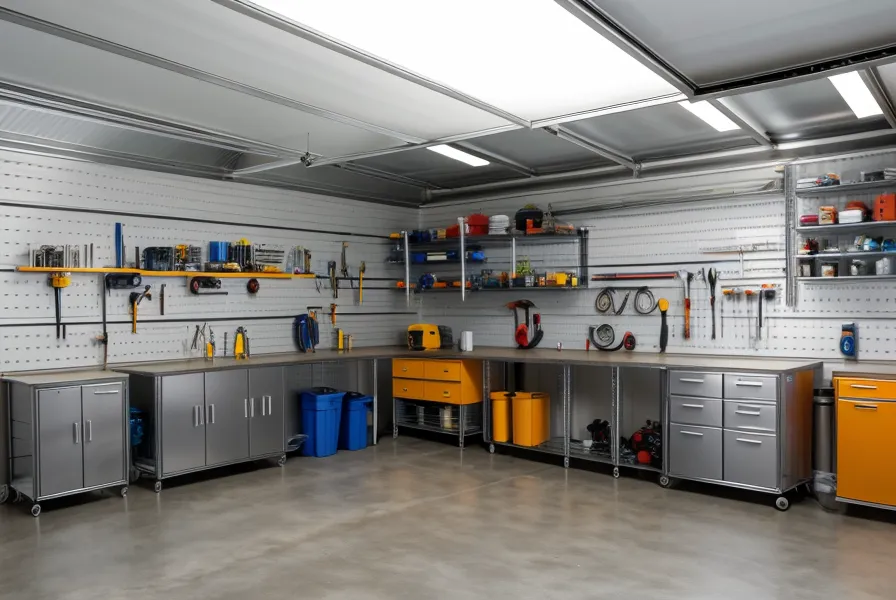
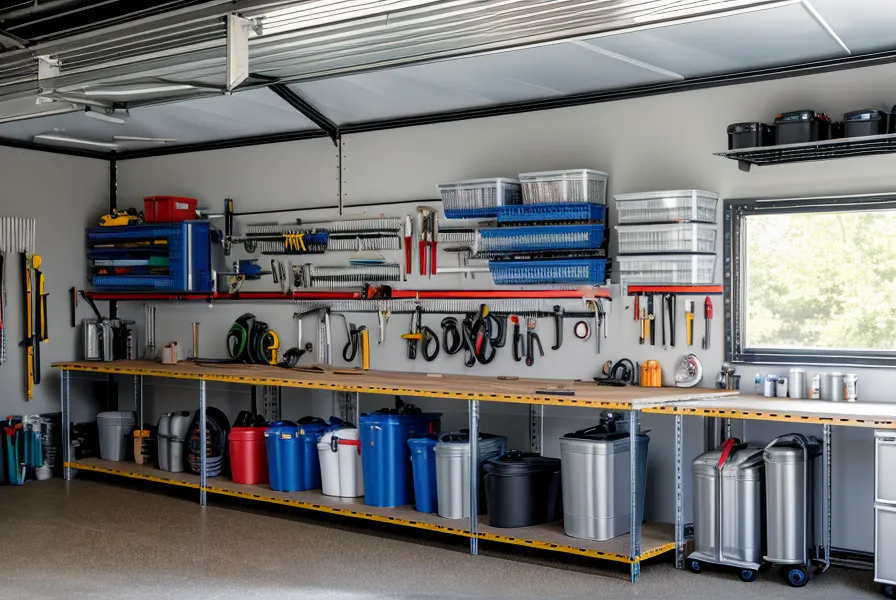
One perfect gadget was never going to be the answer. A tiered setup works better, the same way you'd build redundancy into a network instead of betting everything on a single server. The Aqua Tower covers bulk storage, built to stack vertically rather than sprawl across the floor, which matters if garage space is already tight (the guy two doors down turned his garage into a furniture workshop and somehow still has more open floor than I do). The Dark Reset is the workhorse tier, the system to reach for when stored water runs low and an unknown source needs processing fast. The SmartWaterBox sits above both as the higher-capacity option for fewer guesses about output quality, and sizing that decision comes down to how many people you're provisioning for and how many days you need to cover, not whichever unit looks biggest in the product photos.
The tablets have been demoted to a strictly go-bag role now — portable and light for a single bottle on the move, not a stand-in for the bulk systems that need to cover a whole household through a multi-day outage. None of the storage tiers matter much if the water itself goes stale sitting in the garage, so I keep a loose rotation going and give containers an actual rinse before refilling instead of assuming last month's clean footer-a116d1 is still clean today. Comparing the manual effort the Dark Reset takes against something like the David's Shield reinforced that trade-off - different tools solving different failure points rather than one gadget doing it all - and the bigger setup, tank sizing included, is walked through in my Aqua Tower Setup Guide.
Matching the System to Your Household Budget and Risk
None of this matters much if you haven't first worked out roughly how much water your household actually needs to get through a multi-day outage. That per-person, per-day math is worth doing before buying anything, and it's laid out in more detail elsewhere on this site rather than repeated here.
If the price tag on a full SmartWaterBox makes you wince, don't just default to a $15 bottle of tablets and call it a day - that's a single point of failure for an entire household when the water gets bad instead of just scarce. The Dark Reset is the realistic middle ground for most suburban setups, built for the messy runoff and floodwater Houston weather actually produces rather than the clean mountain stream pictured on tablet packaging. For the full rundown on how the higher-end gear performed under the same conditions, my SmartWaterBox Review covers that in detail.
Pick a system that matches the water you're actually likely to be dealing with, not the cleanest-case scenario on the box, and test it before you need it rather than after. That's the real difference between gear sitting in a garage and gear you can actually count on once the tap runs dry.