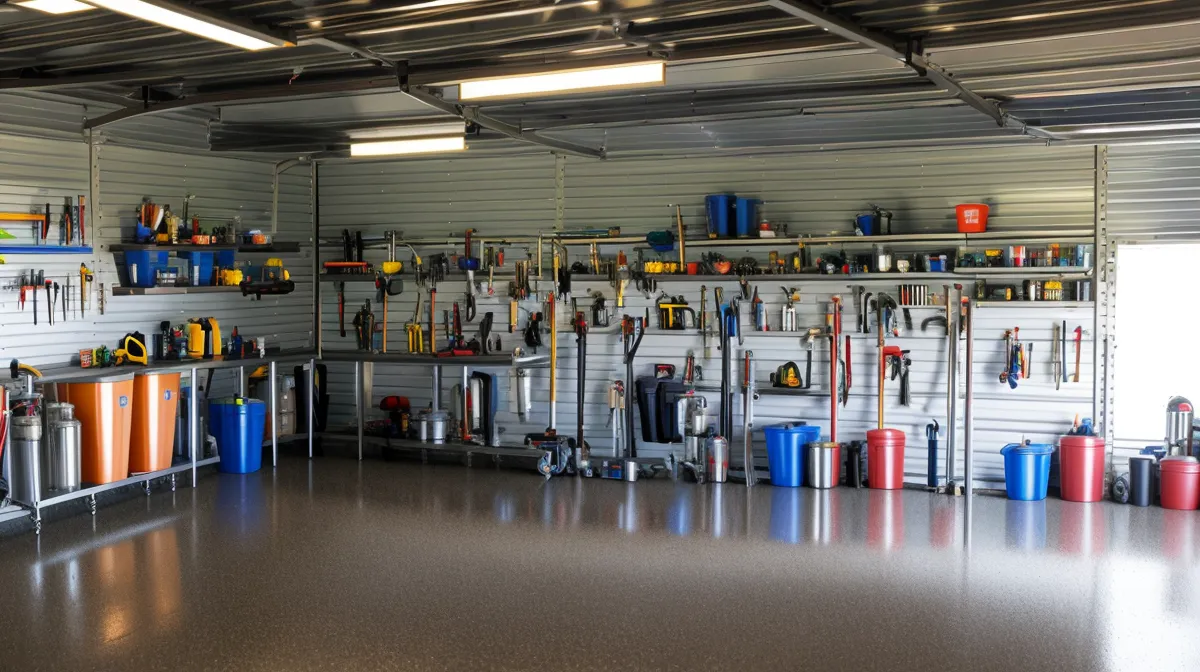
Forty-five minutes. That's about how long it took a perfectly good gravity filter to go from a steady little stream to a dead stop, the first time I fed it water straight off a flooded street instead of water that had been settled and strained first. Emergency water prep gets sold like a single purchase decision: buy the right water filtration gadget and the next flood is handled. The real gap between owning David's Shield and getting reliable drinking water out of it during a genuine disaster-readiness situation has almost nothing to do with the hardware itself and everything to do with the flood prep habits most people skip before they ever touch the thing.
My day job is IT support, which means I spend a lot of time explaining that a dead printer and a dead water tap are the same kind of problem — plenty of input on one end, nothing usable coming out the other, and a bottleneck sitting somewhere in the middle. About seven years of testing filters, buckets, and purification gadgets in my garage (my spouse would say this hobby has fully annexed half of it) have taught me that most people fail at emergency water not because they bought the wrong filter, but because they used the right one wrong.
Two Ways to Feed David's Shield During a Flood
There are really only two ways people put floodwater through a benchtop gravity system like David's Shield. The fast way is to scoop it up, pour it straight into the top chamber, and wait for clean water to show up in the pitcher underneath. The slower way involves two extra buckets, a cotton bandana, and a chunk of patience most people don't think they'll need until the municipal tap actually goes dry.
The fast way works fine on water that's merely cloudy — stirred-up tap water during a boil notice, say, or a rain barrel that just needs a quick pass. It falls apart on genuine turbidity, the kind of thick, suspended sediment you get from a street that's been sitting under runoff for half a day. That split is really a filtration-versus-purification problem as much as a mud problem — David's Shield handles the biological threat, not the dirt load, and conflating the two is how people end up with a bricked filter three hours into an outage.
What a Collapsing Flow Rate Is Actually Telling You
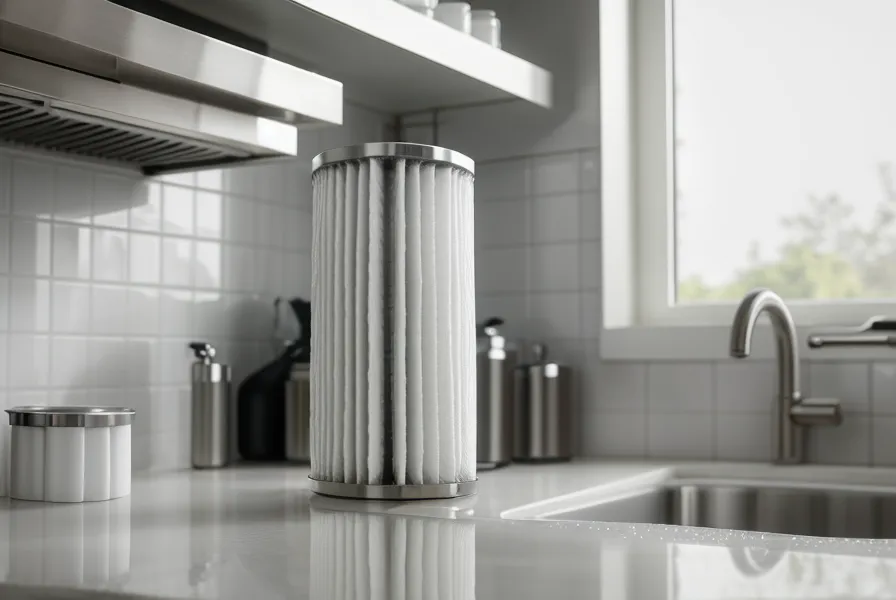
A gravity filter choking on sediment doesn't announce itself with an error light the way a dead router would. It just slows down. The outer surface of the element is built with pores fine enough to stop the stuff that makes people sick, and fine pores happen to be exactly what billions of suspended clay particles are good at blocking. Picture forcing air through a window screen caked in dust — the screen looks fine, but nothing is getting through it anymore.
That's the mechanism behind the single worst move with David's Shield during an actual flood: treating it like a kitchen faucet instead of the last stage in a pipeline. Once the outer layer of an element cakes up with fine silt, gravity flow doesn't gracefully taper off — it falls off a cliff, and you're left scrubbing a cartridge in a utility sink instead of filling jugs.
The Friendswood Test That Proved the Point
I ran the direct-feed version of this on purpose after a storm backed up the gutters along a stretch of neighborhood street in Friendswood, southeast of Houston. The runoff pooling at the curb looked like watered-down tea, and I filled two buckets straight from it, confident the element could handle whatever I threw at it. No settling, no straining — just a pour straight into the top chamber.
A neighbor of mine, the kind of guy who spends his weekends building furniture in a converted garage workshop, watched me do this and figured one filter was as good as another — which is exactly the assumption that gets people in trouble. The stream out of David's Shield started decent, about pencil-lead thick, thinned within twenty minutes, and stalled into a drip not long after. Forty-five minutes in, I had less than two cups of water to show for it, and the cartridge was coated in a slick orange clay that felt like wet modeling putty once I finally pulled it to inspect it.
Compare that to the same filter processing water that had already gone through a proper pre-treatment pass. The first time I opened the spigot on a SmartWaterBox holding water handled that way, what came out ran cold and clear with no gritty ring left on the inside wall of the container — the kind of result that makes the extra half hour of prep feel completely justified instead of optional.
Treat floodwater the way a network admin treats raw traffic off the open internet: nothing touches the sensitive end-point device until it has passed through a layer of filtering first. The device is the last stop in the chain, not the first.
Stage One: Let Gravity Sort the Sediment First
Grab two five-gallon buckets. Fill the first one with raw harvest and leave it undisturbed for two to four hours, longer if the water is heavily silted. Natural sedimentation pulls the heaviest grit, sand, and soil down to the bottom couple of inches. A pinch of alum or plain baking soda helps clumpy clay settle faster if it's refusing to drop on its own — then carefully scoop or siphon the clearer top layer into the second bucket without disturbing the sludge underneath.
Stage Two: Strain Before the Water Ever Reaches the Filter
Set a clean cotton bandana, a folded pillowcase, or a couple of stacked paper coffee filters inside a wide-mouth funnel and run the settled water through that before it touches the upper chamber. It costs almost nothing, takes about two minutes, and buys the internal element days or weeks of extra life it would otherwise lose to debris sedimentation missed.
Stage Three: Pour Slow and Watch for Airlocks
Pour gently. A hard pour churns up whatever fine particles settled near the bottom of your transport jug and sends them straight into the chamber you just worked to protect. Keep the lower spigot open or the lid vent clear when you start — a trapped air pocket can mimic a clogged element and send you hunting for a problem that doesn't actually exist.
Keeping the Hot Zone Away From the Clean Zone
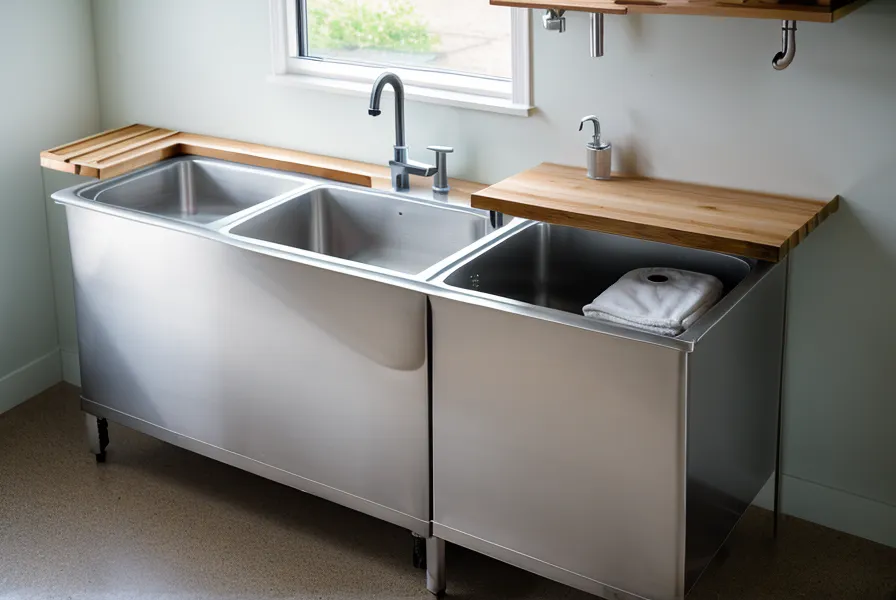
None of the pre-treatment matters if the clean side gets touched by dirty hands. Floodwater carries whatever ran off streets and yards along with it, and a muddy bucket handle or siphon hose can recontaminate a clean reservoir faster than any filter element can clean it back up. Splitting the workbench into two sides — a dirty side for buckets and funnels that have touched raw runoff, and a clean side where the David's Shield spigot and finished containers live — keeps that cross-contamination from happening by accident. A small spray bottle of diluted bleach near the clean side, used on hands and tools before they cross over, closes the loop.
Six in the morning, bare feet on cool concrete before the Texas heat sets in, is honestly the best time to go check on stored containers — nothing's in a rush yet. If the drip rate on an in-use filter slows down mid-storm, the fix isn't dish soap or detergent; it's pulling the cartridge and gently scrubbing the outer surface under water that's already clean, shaving away the clogged outer layer to expose fresh pores underneath.
So Which Approach Should You Actually Use?
Here's the actual trade-off, not the marketing version of it. If the source water is just cloudy — stored tap water that's been sitting, or runoff that's already mostly clear — running it straight through David's Shield is a reasonable shortcut, and the filter will likely outlast the outage just fine. If the water came off a flooded street, a yard, or anywhere sewage or chemicals could have mixed in, skip the shortcut every time and settle it, strain it, then filter it, no matter how badly your family needs those gallons right now. FEMA's benchmark of roughly a gallon per person per day means a family of four burns through water fast enough that a bricked filter mid-storm isn't just inconvenient — it's a real supply problem.
I weighed David's Shield vs traditional benchtop filters for suburban households pretty extensively before settling on this setup, and if you'd rather cut down on how often you're filtering street runoff in the first place, it's worth reading up on how to treat water for long term storage using liquid chlorine so stored water is already safe before a storm ever shows up. None of this makes me a stand-in for an actual environmental engineer or your local health department — just the guy down the street who's bricked a filter cartridge often enough to know the shortcut version always costs more time than the careful one.