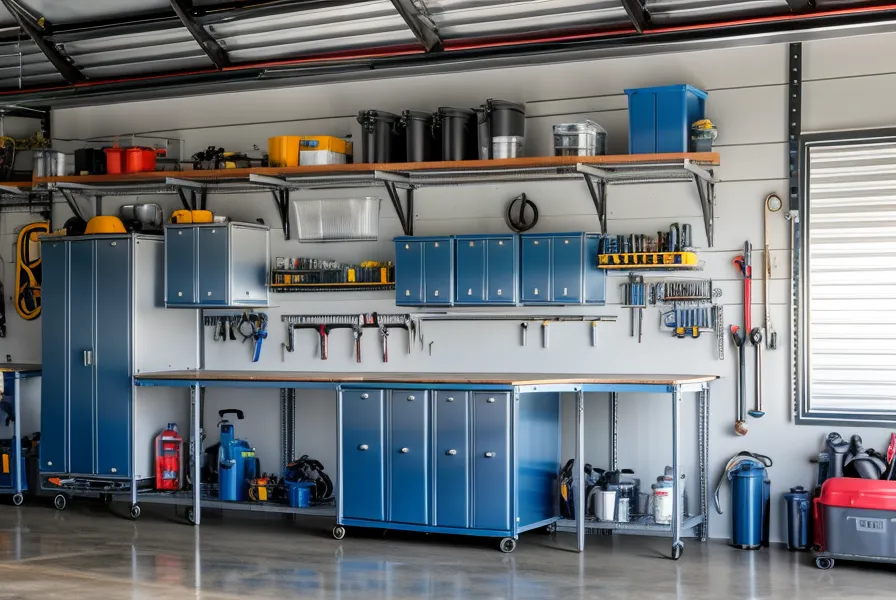
Two barrels. That's what my neighbor Sandra Kwan figured she'd need under her gutters to cover her family of four for a week if the taps ever went dry like they did during Hurricane Beryl. She'd seen my emergency preparedness notes on the neighborhood app and messaged me asking whether rainwater harvesting could just replace her whole suburban water safety plan. Short answer: no, and the reason has less to do with the rain and more to do with everything it touches on the way down.
Quick disclosure before we get into it: this site runs on affiliate links, including a couple you'll see below, and I earn a small commission if you buy through them at no extra cost to you. I'm not a chemist, a civil engineer, or anyone's doctor — just a guy in IT support who got serious about backup water after four days without it. Check with your local health department or a licensed professional before you treat any water source as safe to drink.
The Barrel Math Doesn't Hold Up
Here's the thing about roof runoff: it looks like an enormous amount of free water until you start subtracting from it. A good rain sheds a lot off an average suburban roof, but evaporation, imperfect seals, and general runoff you never actually catch eat into that number fast, and two food-grade barrels stop looking so generous once you run the math I'd want anyone doing a real stored-water plan to run first — how many gallons per person per day you actually need, multiplied by how many people and how many days you're covering. Wanting backup water without ever checking whether those numbers add up is a lot like keeping a spare router in the closet and never testing if it actually powers on.
What's Actually Landing on Your Roof?
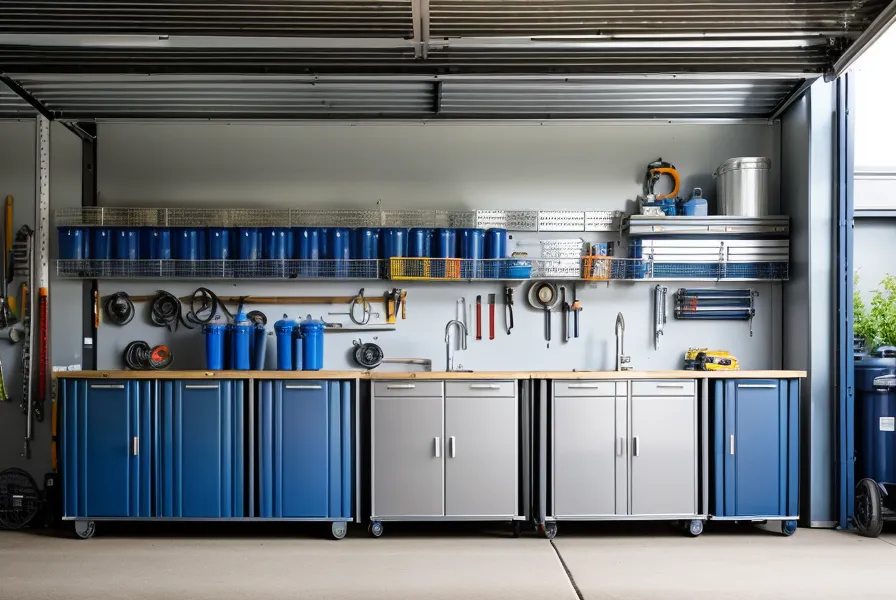
Asphalt shingles are not a clean surface, and neither is anything else the rain touches on its way down. Grit, bird droppings, whatever a squirrel left behind, and small amounts of whatever leaches out of the shingles themselves all ride along with the water. None of that makes rain automatically unusable; it needs treating like any other untested source, the same way I'd tell you to test tap water quality after a storm before trusting a puddle in your yard or a hose bib nobody's checked in years.
The dirtiest water is also the first water off the roof, the initial rinse that carries most of that grit and buildup before things run cleaner. Diverting that first flush away from storage helps, but it's a partial fix, not a cure, and what's left afterward still needs treating before anyone drinks it.
Suburban Air Changes the Equation
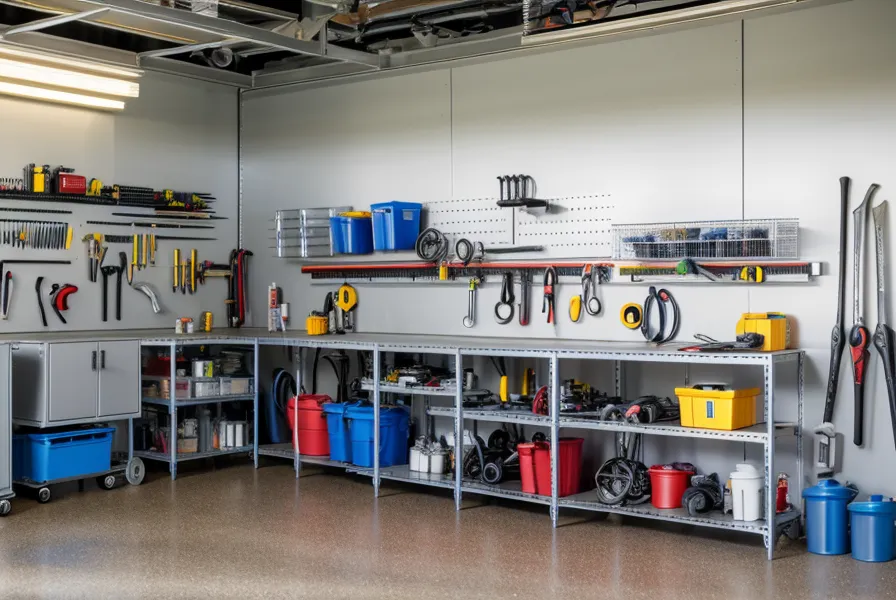
Most general prepper advice assumes you're out past the suburbs, not living within sight of a refinery flare stack. Suburban Houston sits close enough to heavy industry that airborne particulates settle on roofs right along with everything else, which changes what "just filter it" actually means around here. In seven years of testing water gear out of my own garage, rainwater collection is the one method I still won't recommend as a family's primary emergency source — not because it never works, but because it adds variables most households have no real way to check without lab equipment.
The Backup That Got Us Through Beryl
When Beryl knocked out water for four days, my first move was the same one most people make: I loaded the cart with cases of bottled water from Costco, five of them, which felt like overkill at checkout. (My neighbor Mel Okonkwo, who keeps a running mental tally of every piece of gear that's failed us over the last few storms, still brings that trip up.) It was gone by day two, split between drinking, cooking, and rinsing dishes for a family that doesn't stop needing any of those things just because the tap is dry. That's what pushed me toward an actual stored-water system instead of restocking bottled water every time a storm gets a name.
The moment that actually convinced me redundancy wasn't overkill happened almost by accident. I'd treated a batch with Dark Reset and left it in a bowl by the door for the dog, then grabbed the wrong bowl myself on a hot afternoon and drank straight from it before doing my usual smell check first. It tasted like nothing at all, which told me more than any test strip could have. Chemical treatments like that are only as good as their shelf life, though, and it's easy to forget that a hot garage speeds up how fast that clock runs out.
Storage and Water Filtration Aren't the Same Job
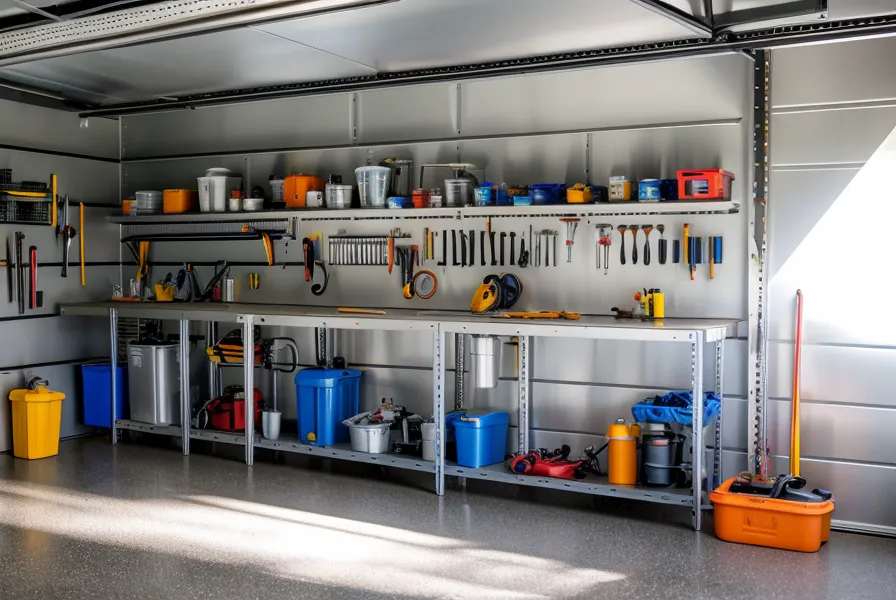
Storage and filtration solve two different problems. Understand which is which before you buy anything. Storage keeps water on hand; filtration and treatment make it safer to drink once you're actually using it. Mixing those up is a little like packing for a road trip and stuffing your spare tire and your snacks into the same bag, then wondering why nothing's where you need it. I keep a rotation schedule so nothing sits untouched long enough to go stale, and for day-to-day storage plus a first stage of filtration, the SmartWaterBox is what does the heavy lifting in my garage. It stacks vertically instead of eating floor space, which matters when you're also trying to park a car in there. I wrote more about why the SmartWaterBox works for tight spaces if your garage is as crowded as mine.
Adding a Second Filtration Stage
Because Houston's suburban rain, and honestly a lot of tap water right after a bad storm, carries more than dirt, I don't lean on one filtration stage alone. A gravity filter's actual flow rate matters more than the marketing copy suggests; something that crawls along drop by drop isn't much help when a family is standing around waiting on drinking water. For heavier contaminant removal, I usually point people toward a second-stage filter like David's Shield rather than trying to make one filter do every job.
So, What Should You Actually Do?
None of this means catching rain off the roof is pointless; it's genuinely useful for the garden or for flushing toilets during a longer outage, and using it that way stretches your actual drinking supply further without adding risk. It just shouldn't be the plan you're counting on the moment someone turns on the tap expecting something safe to drink. A portable filter is also a different tool for a different job: fine for a car kit or a single hiker, a poor substitute for a properly sized home setup. If you want the fuller rundown of how I sized my own garage storage, including the footer-a116d1 sanitation habits that keep algae and off-tastes from creeping in over a Texas summer, I put together a breakdown of my garage system for the next big outage.
So, is collecting rainwater safe in a suburban area? Treat it as a maybe-someday supplement, not your emergency water plan. Contamination risk, industrial air, and the amount of infrastructure it takes to make rain reliably drinkable put it well behind a properly sized, rotated stored-water system backed by real filtration. Start with what you can store and treat with confidence, and let rain collection stay a bonus project for the yard instead of the backbone of your family's plan. If you're building that stored-water core from scratch, the SmartWaterBox is still what I'd point a neighbor toward first.
Sandra ended up skipping the barrels altogether and set up stored containers with a SmartWaterBox handling filtration instead. She still checks in every few months to report what she actually bought versus what she originally planned, which is more follow-through than most of my own resolutions get.