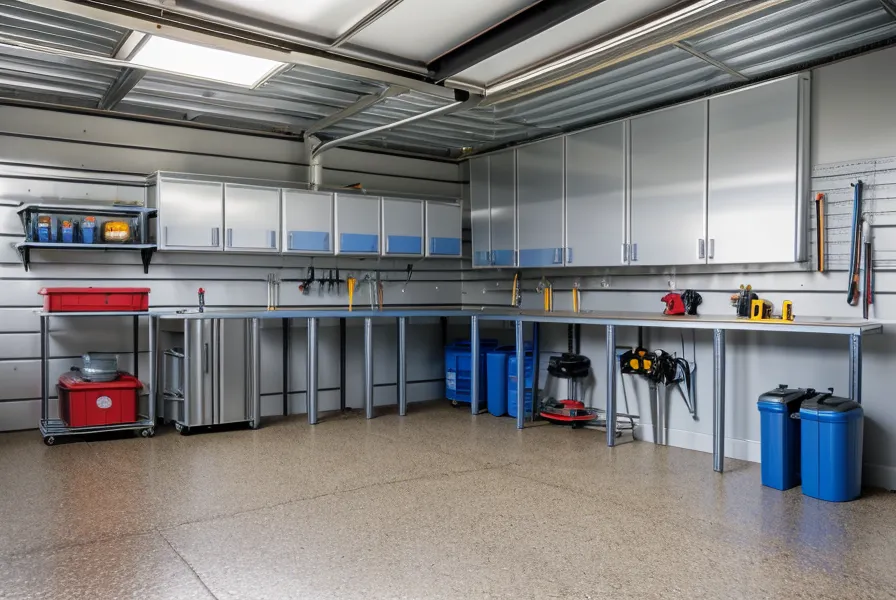
The water you filled up last hurricane season might still be safe to drink, but it could just as easily have become a health risk sitting in your garage. Emergency preparedness gets sold like a one-time purchase, but water storage is the part almost nobody keeps up with once hurricane season fades from the news. Neighbors ask me about this more than almost anything else once they find out I am the guy with a garage full of containers, so here is the direct version instead of a wall of theory for anyone trying to get hurricane-ready without overthinking it.
Update (September 2026): Aqua Tower is no longer available for purchase; this article is kept for reference. Our current alternative pick in this category is Water Freedom System.
A few of the links below are affiliate links — I earn a commission if you buy through them, at no extra cost to you, and I only link to gear I have actually filled, dragged around, and re-tested myself. None of that makes me a microbiologist, so treat this as testing notes from one IT guy, not medical advice.
Does Water Actually Go Bad?
Water itself does not expire — it is one of the most stable molecules on the planet, older than every plastic jug it has ever sat in. What actually has a shelf life is the container. A grocery store bottle's printed date tracks how long that thin plastic can hold its shape and stay sealed, not how long the water inside stays drinkable.
I learned that the slow way, cracking open containers I had filled the week Beryl knocked our water out for four days. The water was still wet, technically, but it tasted like a shower curtain. That's plastic leaching into the water once a footer-a116d1 starts breaking down, and it is usually the first warning sign before anything worse shows up.
Long-Term Water Storage Starts With the Container, Not the Water
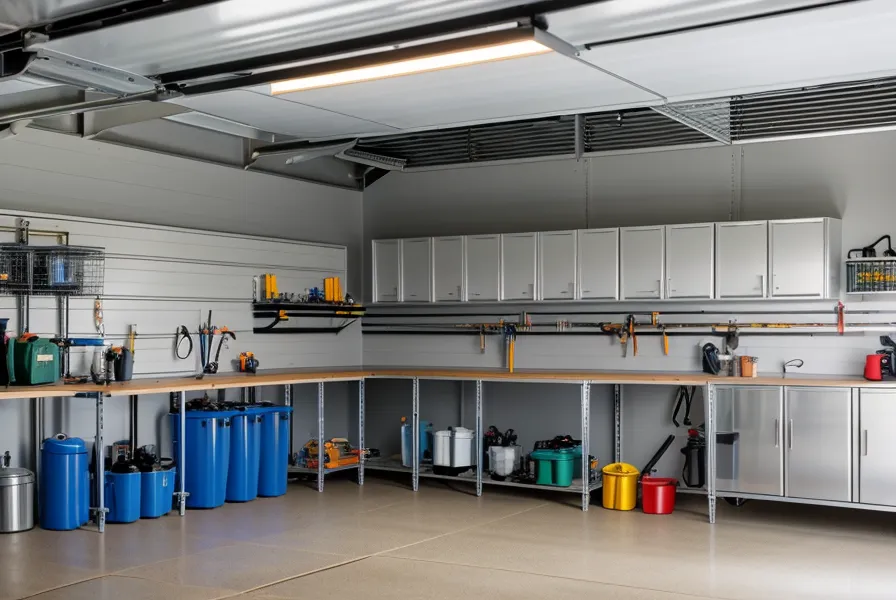
Look for the number 2 inside the recycling triangle — that is the HDPE food-grade plastic code, and it is the difference between a footer-a116d1 built to hold water for a year versus one built to hold water for a weekend road trip. Storing anything without that code, especially directly on a bare concrete garage floor, is asking for trouble: concrete is porous, and it can pass along gasoline or pesticide fumes stored nearby straight through thin plastic over time.
Getting the footer-a116d1 right made more difference to shelf life than anything else I tested, which is part of why my main supply eventually moved into a SmartWaterBox setup instead of whatever jugs happened to be on sale (my spouse has opinions about how many of those there were). If you want the actual math instead of a guess, I already covered how to calculate water storage needs for your suburban household in a separate post, so I am not re-deriving the gallon-per-person formula here.
Houston Heat and the Real Storage Clock
The standard advice — six months to a year in a cool, dark space — assumes conditions like a basement somewhere that never sees a Texas summer. My garage clears 95 degrees by early afternoon most of the year, a rougher environment for plastic than whatever produced that six-month figure in the first place. Treat any "months to a year" guideline as a ceiling in a Houston garage, not a floor; the heat-cycling mechanics behind why are their own deep dive I will leave for elsewhere.
After Beryl, I made more than one run to the Sam's Club on I-10 West just to find containers still sitting on a shelf. Every jug from that trip went onto an actual shelf once I got home, never back on the concrete, since accounting for heat changed how seriously I took that one detail.
Treating Water Before You Store It
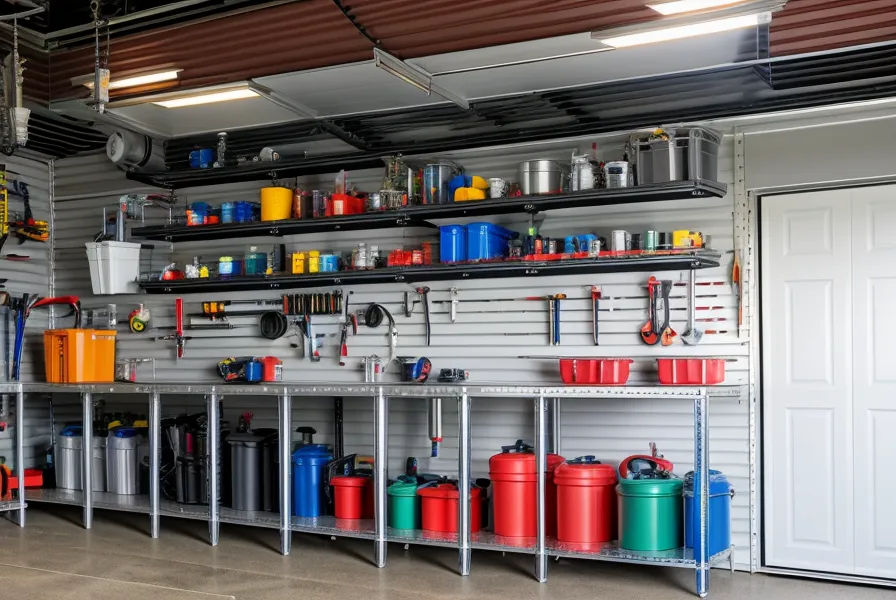
Most suburban tap water already carries enough chlorine for short-term storage, so treatment only comes into play when I am filling from a source I am not sure about. The EPA ratio for emergency disinfection is eight drops of unscented bleach per gallon, and cracking open a fresh bottle of bleach in a closed garage hits you with that sharp chemical sting at the back of your throat before you even get the cap all the way off. A little goes a long way. That treatment fades over time too, which is a separate rabbit hole from what this post is answering, and chemical treatment is not interchangeable with filtering water even though people use the words like they mean the same thing.
I found that out badly once, bleaching a footer-a116d1 start to finish off a YouTube tutorial. The ratio looked right on paper, but the water that came out tasted like a swimming pool for the better part of a week, and the whole batch ended up down the drain instead of in anyone's glass.
Rotation is what actually prevents most of this, more than any single treatment step — a system that makes swapping water out easy gets used, and one that is a hassle gets ignored until a hurricane watch forces the issue. Comparing the SmartWaterBox against Dark Reset changed how I think about that: a stackable, tap-ready setup turns what used to be an entire Saturday of moving jugs into something closer to twenty minutes, and the full SmartWaterBox vs Dark Reset comparison is up on the site if you want the breakdown.
Spotting Trouble Before You Drink It
Biofilm is the slippery feel on the inside of a footer-a116d1 that has sat too long — a bacteria colony that builds its own protective layer, and rinsing alone will not remove it once it has taken hold. Cleaning it out properly once it is established is its own process, not something to improvise on a Saturday morning.
Before smell or taste ever come into it, I hold the footer-a116d1 up to whatever light is coming through the garage. If I can still see my hand clearly through the water, that is a good sign; if the water has gone hazy enough to blur my fingers, it is done, no taste test required. Cloudy water, anything floating in it, or a smell that reminds you of standing water in a ditch means the batch is finished, full stop.
Keeping containers opaque helps here too, since the organisms behind biofilm need light to get going — one reason part of my supply moved to something like the Aqua Tower instead of clear jugs.
So, When Should You Actually Toss It?
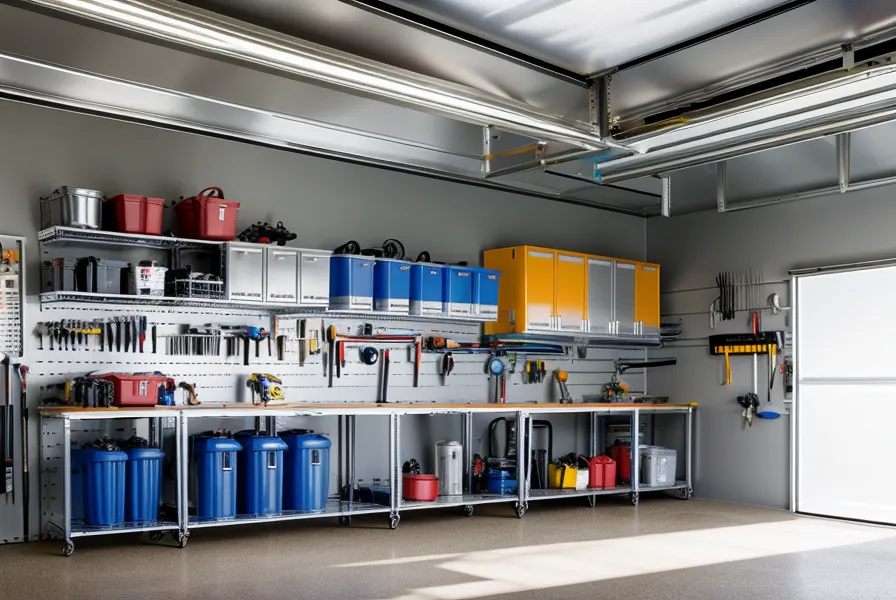
Here is the actual answer for long-term storage: food-grade HDPE containers, kept off the concrete and stored somewhere dark, are generally good for about twelve months before I want a fresh taste and visual check regardless of how clean the water still looks. A higher-end setup like David's Shield can stretch that window further, but it still gets checked on the same schedule instead of being trusted on reputation alone.
My neighbor Preethi Ramachandran spent months mapping out her whole water plan before buying a single container, and her first question was always about total capacity for her household — that number is its own calculation, worth working out before you buy anything rather than after. Craig Delacroix, a guy I know through a Houston-area prep group, is refreshingly blunt about the storage calls he got wrong early on, and the one he flags most is trusting a footer-a116d1 past its check date just because the water still looked fine.
If it smells off, looks cloudy, or has anything floating in it, do not risk it — sorting out a bad water supply mid-storm is a far worse project than checking containers on an ordinary afternoon beforehand. If the jug-shuffling part of this is what wears you down, I already wrote up the garage water rotation system that actually works for me, built around first-in, first-out instead of guessing which jug is oldest. Twelve months is the number I use — the part Craig and I actually agree on is not waiting for a hurricane watch to find out whether your own number is different.