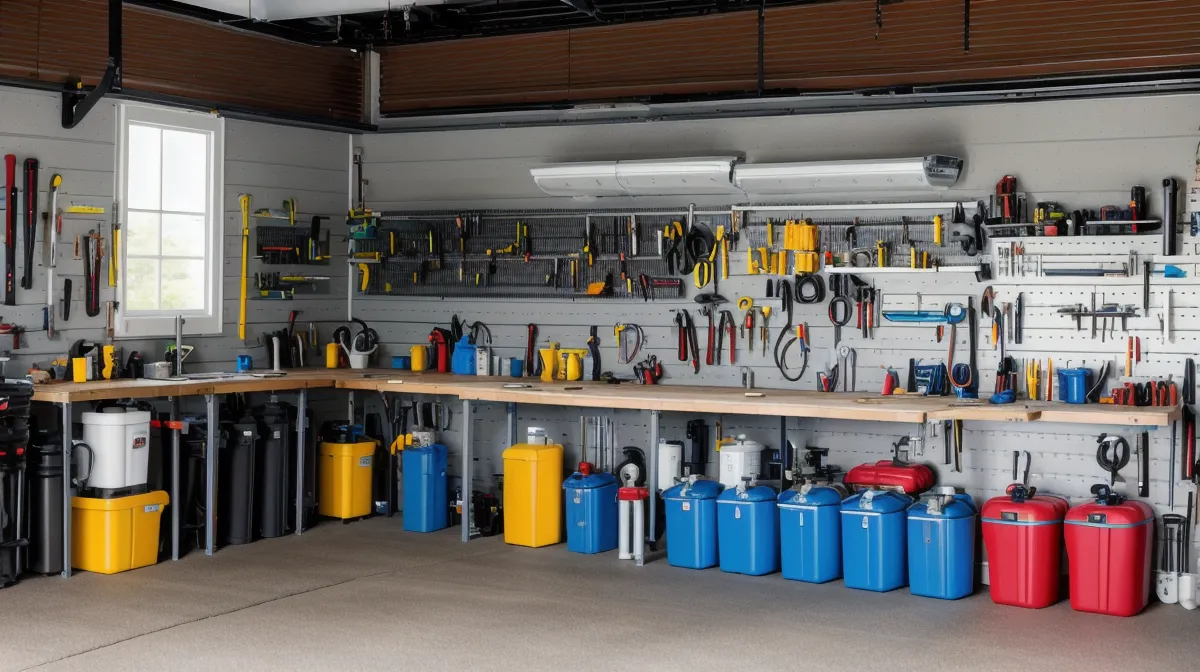
Dark Reset wants your arms. David's Shield wants your patience. That's the whole story of these two portable water purifiers in one sentence, and after running both through the same dirty water side by side for this emergency water preparedness test, I can tell you the marketing copy barely covers what matters most for hurricane prep: which one actually gets you drinkable water, and what it costs you in effort to get there.
Quick note before the comparison: I bought both of these units myself for home testing, and this site runs on affiliate links — if you buy through a link here, I earn a commission at no extra cost to you. I only write about gear I've personally hooked up and run water through in my own garage, and you can read my full transparency policy anytime.
Hurricane Beryl is the reason I own either of these units in the first place — four days without water pressure in our neighborhood back in 2024 taught me that a depressurized line can pull contamination straight back into the system, which is its own ugly problem on top of just not having water. FEMA's baseline is roughly a gallon per person per day for drinking and basic sanitation, and once you multiply that across a household, an active purification tool earns its shelf space fast. If you want the specs and current pricing on my budget pick, the Dark Reset portable purifier is where I'd start looking.
The Setup: A Side-by-Side Water Filtration Test in a Suburban Garage
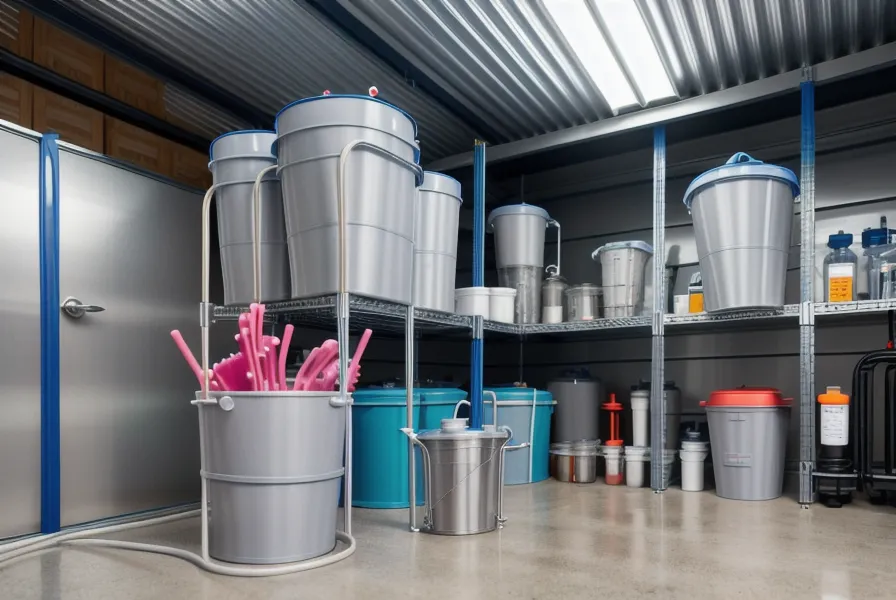
Troubleshooting is troubleshooting, whether it's a dead switch on a network rack or a filter that won't produce clean water. You isolate variables, test one failure point at a time, and resist the urge to guess. That's the approach I brought to the showdown between Dark Reset and David's Shield, two of the most argued-about names on prepping forums.
For raw water, I pulled silty runoff from a drainage ditch a block over and cloudy water skimmed from a stagnant culvert near the subdivision entrance — the kind of water you'd actually be stuck with if the tap quit and you had to get creative. Everything ran through a clean workbench setup with graduated buckets, silicone hosing, and a timer, because guessing at results helps nobody.
Chemical treatment and physical filtration solve two different problems — drops kill pathogens, filters catch suspended grit — and both of these units are built purely for the filtering half of that equation.
If you're also trying to figure out where four gallons of test buckets and a stack of filters actually live in a house, I've got notes on how to store emergency water in a guest bedroom without making a mess that cover the space side of things.
Dark Reset Demands Muscle, David's Shield Demands Patience
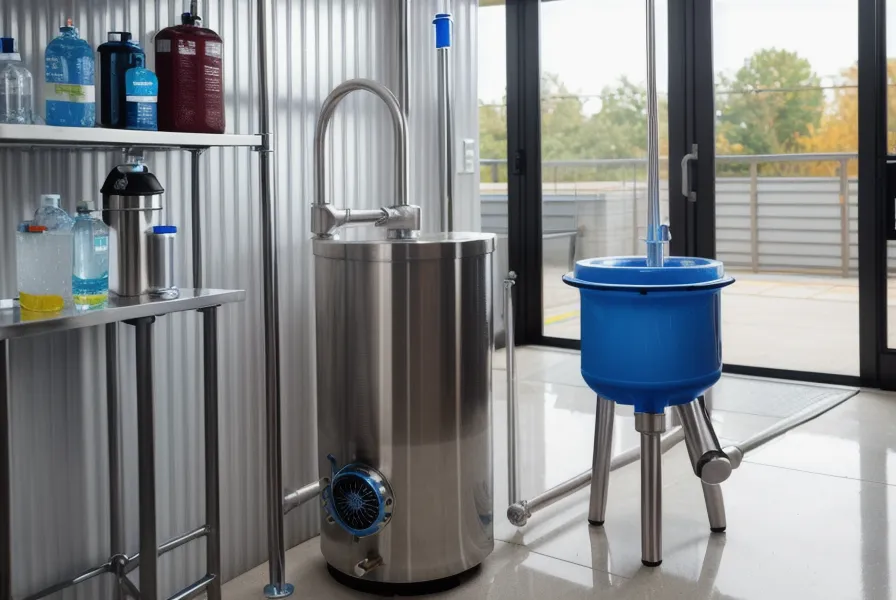
Here's the mechanical difference in plain terms. The Dark Reset is an inline hand pump — drop the intake hose in the dirty bucket, point the clean hose at your container, and stroke the plunger until water comes out the other end. David's Shield skips the pump: a multi-stage canister feeds off an elevated bucket and lets gravity pull water down through the filter and into whatever you're collecting into. Both are rated to stop protozoan cysts like Cryptosporidium and the bacteria riding along with them, though the full micron-by-micron breakdown is its own rabbit hole I won't repeat here. What actually matters for this comparison is how the water gets from the bucket to your mouth.
On test day, I set out to produce four gallons with each unit back to back — roughly what a household needs to get through one day under standard emergency guidelines. A single tumbler out of the Dark Reset feels like nothing: light, steady, almost satisfying. Four gallons is a different story. Pushing that much water through a 0.1-micron membrane against real resistance took close to forty-five minutes of steady arm motion, and by the third gallon my triceps were done arguing about it (my wife, watching from the doorway, was not impressed by the grunting).
David's Shield, by contrast, took about five minutes to prime the hose and get the siphon running. Once the head height does its job, water trickles into the bottom container on its own — no hands required, which meant I could walk away and start dinner while four gallons took care of themselves.
That passive setup is also why I'm not automatically sold on anything that calls itself a gravity filter. Before I owned either of these two, I tried a cheaper gravity unit — the kind you fill at the top and leave alone — and it put out roughly a gallon every forty-five minutes. Fine for topping off a pitcher on a slow afternoon, useless if you need water right now. David's Shield's siphon design moves water several times faster than that when the intake isn't fighting grit, which is the real reason people reach for it.
If you want a deeper look at long-term reliability instead of raw speed, I've also written up a separate David's Shield vs Dark Reset reliability testing breakdown worth a look.
Which Filter Survives Heavy Sediment?
Heavy sediment is where these two really split apart. David's Shield wins on convenience, but its passive flow rate drops fast once the pre-filter starts caking up with silt. There's no pump behind it to force water through a clogged path, so once gravity alone can't overcome the resistance, output slows to a crawl. The Dark Reset doesn't fail the same way. A caked filter just means more arm work, and muscle can push through sediment loads that would stall a passive siphon completely.
Clearing the Dark Reset after a heavy run is quick — a couple of strokes with the included plunger syringe flushes the housing in under two minutes at the sink. David's Shield's cleanup takes longer: unscrew the housing, rinse the cartridge by hand, then re-prime the whole line to chase out air bubbles, because one trapped air pocket in a passive line stops the flow cold until you clear it.
Every batch gets checked before I trust it — a water test strip dipped straight into the collection jug, watching for the color pad to settle into the safe band instead of drifting toward the orange warning zone on the card. It's a thirty-second habit, and it's the only reason I'd feel comfortable handing either unit's output to my own family during a real outage.
I'll say this plainly: I'm an IT guy who tests gear in his garage, not a certified plumber or a medical authority. When water quality is genuinely in question, check it against your local health department's guidance instead of taking my word as the final answer.
Knowing When a Handheld Unit Isn't Enough
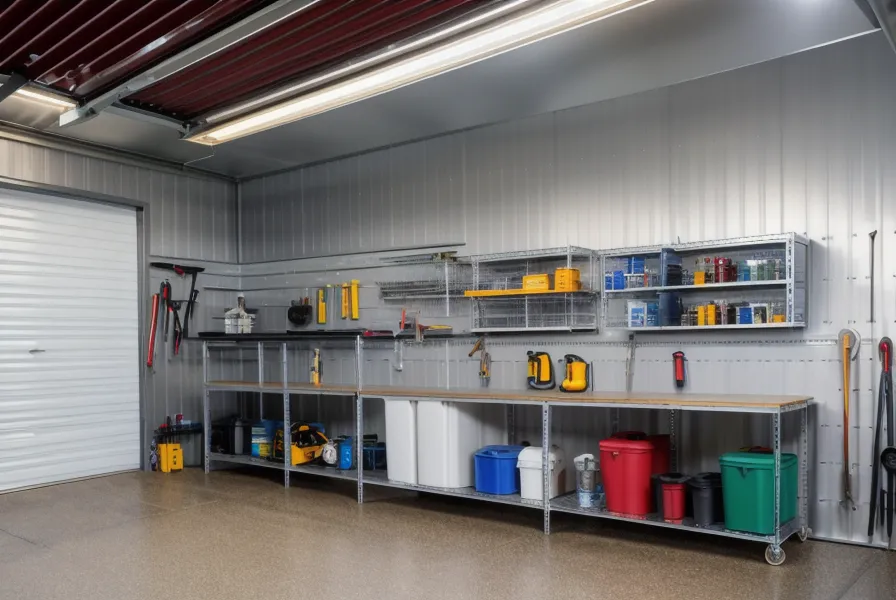
Both of these units are genuinely good at what a portable purifier is supposed to do — stay small, stay light, and ride along in a go-bag or the console of a car. Where they stop being enough is when you're not trying to survive a single day in the field, you're trying to keep an entire household supplied through a multi-day outage without turning the garage into a manual labor shift.
That's the same layered-redundancy thinking I use for home networks — no single point of failure, no one device expected to carry the whole job.
This is what pushed me to look at all-in-one setups like the SmartWaterBox, which bundles filtration, storage capacity, and pressurized delivery into one system instead of asking you to pump or babysit a hose. If you've got the space to plan ahead instead of grabbing a go-bag on the way out the door, I walked through the results in my top home water backup systems after a year of testing.
I've got a neighbor who spends most weekends out in his converted garage workshop building furniture, and watching him work made me appreciate the appeal of building your own setup from scratch. If you'd rather go that route, the Water Freedom System is a guide bundle with step-by-step schematics instead of a ready-made device — more time investment, but a real option if you like building things yourself rather than opening a box.
The Verdict: Picking the Right Tool for the Job
Neither wins if you're asking which is objectively better. The honest answer depends on what you need the water for and how much effort you're willing to trade for convenience. Choose David's Shield when you want something that runs itself while you're busy boarding up windows or checking on neighbors, and your raw water source isn't loaded with heavy sediment. Choose Dark Reset when portability and brute reliability matter more than comfort. It's rugged enough to throw in a backpack or a vehicle kit, and it'll push through dirty water regardless of terrain or bucket height, even if your arms pay the toll afterward. I keep one of each, for exactly those two different jobs. Pricing and stock move around depending on supply, so check each vendor's page directly before storm season gets serious.